
Depression and traumatic stress rarely show up as isolated mood symptoms. More often, they arrive as a constellation: disrupted sleep, low energy, heightened anxiety, emotional blunting, or a persistent sense of inner tension. Many people discover that while antidepressants can be helpful, they do not always restore a sense of vitality or nervous system ease. Others cannot tolerate medications at all, or feel that something essential is missing from their treatment plan.
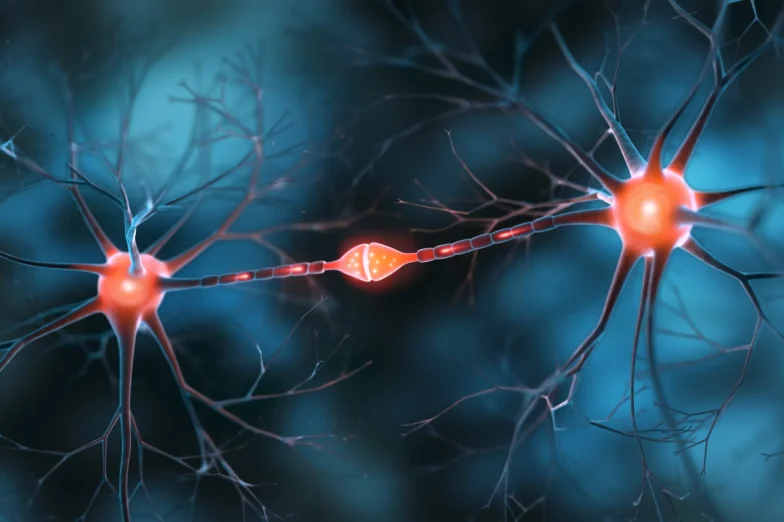
In integrative mental health care, botanical medicines are not positioned as “natural substitutes” for pharmaceuticals. Instead, they are understood as complex biological modulators—agents that interact with neurotransmitters, inflammation, hormonal signaling, and autonomic regulation simultaneously. This systems-level action is particularly relevant for depression shaped by trauma and chronic stress.
Botanical antidepressants are supported by decades of clinical research and are formally integrated into medical practice in parts of Europe. When used thoughtfully, they can complement psychotherapy and conventional treatment by supporting mood, sleep, and resilience at the level of the nervous system.
St. John’s Wort: Why a Plant Can Compete With Antidepressants
St. John’s wort (Hypericum perforatum) is often underestimated because it is widely available and perceived as “mild.” Clinically, however, it is one of the most rigorously studied antidepressant botanicals and remains a first-line treatment for mild to moderate depression in countries such as Germany.
Multiple meta-analyses and Cochrane reviews have shown that standardized St. John’s wort extracts are significantly more effective than placebo and comparable to conventional antidepressants, with a lower incidence of side effects (Linde et al., 2005; Linde et al., 2008; Kasper et al., 2008). Unlike many SSRIs, patients often report improved mood without emotional numbing or sexual side effects.
What makes St. John’s wort particularly compelling from a trauma-informed perspective is the way it works across multiple neurobiological systems at once. Unlike most conventional antidepressants, which are designed to target a single neurotransmitter pathway, St. John’s wort contains a constellation of active compounds—most notably hyperforin and hypericin—that influence serotonin, dopamine, norepinephrine, GABA, and glutamate signaling simultaneously. Hyperforin, in particular, acts as a broad reuptake inhibitor and also modulates ion channels involved in neuronal excitability, which may help calm a sensitized nervous system (Linde et al., 2008; Kasper et al., 2008).
This multi-pathway activity is especially relevant in trauma-related depression, where symptoms are rarely driven by serotonin imbalance alone. Traumatic events alter stress hormone regulation, glutamatergic signaling, and inflammatory pathways, often showing up as anxiety, sleep disruption, irritability, and emotional reactivity alongside low mood. By acting across these systems, St. John’s wort appears to support nervous system regulation rather than simple mood elevation.
Clinically, it is best suited for the acute treatment of mild to moderate depression, particularly when anxiety or nervous system irritability are present. However, it requires careful use, as it induces the CYP3A4 enzyme system and can reduce blood levels of several medications; photosensitivity may also occur at higher doses (Linde et al., 2008).
Saffron: A Botanical Antidepressant With Multidimensional Effects
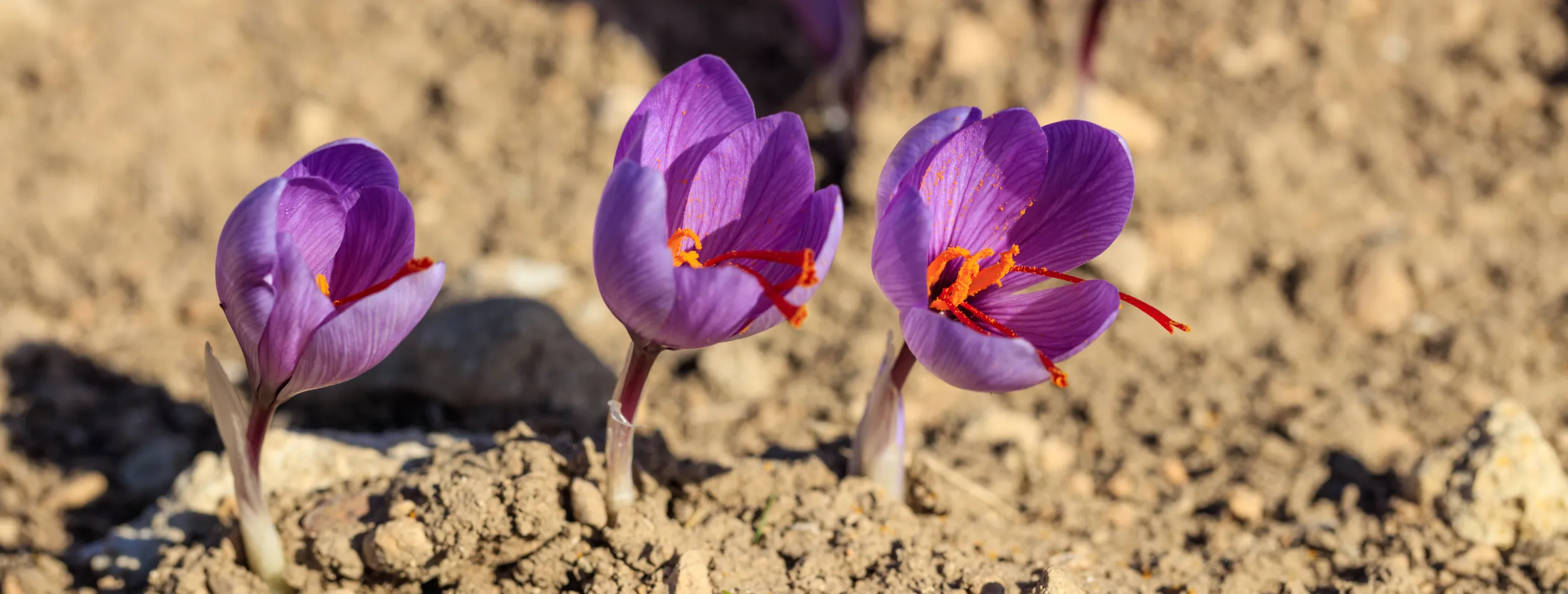
Saffron (Crocus sativus) stands out among botanical antidepressants for the consistency of its clinical evidence and the breadth of its neurobiological effects. Randomized, double-blind trials have shown that saffron is as effective as fluoxetine and imipramine in the treatment of mild to moderate depression, even at relatively low doses, positioning it as one of the most robust plant-based options for mood support (Akhondzadeh et al., 2007; Dwyer et al., 2011).
Mechanistically, saffron appears to influence mood through serotonergic modulation, while also exerting antioxidant and anti-inflammatory effects—pathways increasingly recognized as central to depressive disorders. Its active constituents, including crocin and safranal, may help regulate emotional processing and reduce neuroinflammation, which is particularly relevant when depression is accompanied by fatigue, cognitive slowing, or stress-related inflammation. Clinically, saffron is often well tolerated and may be especially useful for individuals who are sensitive to side effects or who seek mood support without emotional blunting.
Lavender: Neurobiological Calm as an Antidepressant Strategy
Lavender (Lavandula angustifolia) exerts its antidepressant effects primarily through modulation of the central nervous system, particularly pathways involved in anxiety, sleep, and autonomic regulation. Rather than acting as a sedative, lavender influences GABAergic transmission, enhancing inhibitory signaling in the brain and reducing excessive neuronal excitability. This mechanism helps explain its consistent effects on anxiety reduction, improved sleep quality, and headache relief—symptoms that frequently perpetuate depressive states (Lillehei & Halcon, 2014).
In addition to its GABA-modulating effects, lavender appears to influence serotonergic signaling and stress-related neuroendocrine activity, supporting emotional regulation without cognitive dulling. Clinical studies show that lavender can enhance the effectiveness of antidepressant medications; a combination of lavender and imipramine was more effective than imipramine alone, suggesting complementary rather than redundant mechanisms. A standardized oral lavender oil extract, Silexan™ (Lavela WS 1265), has demonstrated efficacy in reducing anxiety and improving sleep while preserving daytime alertness (Kasper et al., 2010; Woelk & Schläfke, 2010).
Lavender can be administered as an essential oil, tea, culinary infusion, or concentrated capsule, allowing flexible dosing based on clinical needs. Its ability to downshift nervous system hyperarousal while maintaining mental clarity makes lavender particularly useful when depression is sustained by chronic anxiety, insomnia, or physiological tension rather than low mood alone.
Closing Perspective
Botanical medicines remind us that depression and traumatic stress are not chemical problems, but systemic ones. Rather than acting on a single target, plants influence multiple biological pathways at once—mood, sleep, inflammation, energy, and autonomic regulation—mirroring the complexity of traumatic stress itself.
When used with clinical awareness and respect for their pharmacological power, botanical allies can meaningfully support recovery from depression, traumatic stress, and chronic stress—not by overpowering the nervous system, but by helping it remember how to regulate itself. This perspective reflects a broader integrative approach to mental health, one that recognizes healing as a process of restoring rhythm, resilience, and connection across body and mind.
For readers interested in exploring this approach more deeply, Rhythms of Recovery: Integrative Medicine for PTSD and Complex Trauma offers a comprehensive framework for the integrative treatment of trauma. The book weaves practical, evidence-informed tools with a nuanced understanding of the psychological complexity of PTSD and complex trauma, offering a path toward healing that extends beyond symptom management and toward true, sustainable health.
References
Akhondzadeh, B. A., Moshiri, E., Noorbala, A. A., Jamshidi, A. H., Abbasi, S. H., & Akhondzadeh, S. (2007). Comparison of petal of Crocus sativus L. and fluoxetine in the treatment of depressed out-patients: A pilot double-blind randomized trial. Progress in Neuro-Psychopharmacology & Biological Psychiatry, 31(2), 439–442.
Dwyer, A. V., Whitten, D. L., & Hawrelak, J. A. (2011). Herbal medicines, other than St. John’s Wort, in the treatment of depression: A systematic review. Alternative Medicine Review: A Journal of Clinical Therapeutic, 16(1), 40–49.
Kasper, S., Gastpar, M., Muller, W. E., Volz, H. P., Dienel, A., Kieser, M., & Moller, H. J. (2008). Efficacy of St. John’s wort extract WS 5570 in acute treatment of mild depression: A reanalysis of data from controlled clinical trials. European Archives of Psychiatry and Clinical Neuroscience, 258(1), 59–63.
Kasper, S., Gastpar, M., Müller, W. E., Volz, H. P., Möller, H. J., Dienel, A., & Schläfke, S. (2010). Silexan, an orally administered Lavandula oil preparation, is effective in the treatment of ‘subsyndromal’ anxiety disorder: A randomized, double-blind, placebo controlled trial. International Clinical Psychopharmacology, 25(5), 277–287. https://doi.org/10.1097/YIC.0b013e32833b3242
Lillehei, A. S., & Halcon, L. L. (2014). A systematic review of the effect of inhaled essential oils on sleep. Journal of Alternative and Complementary Medicine (New York, N.Y.), 20(6), 441–451. https://doi.org/10.1089/acm.2013.0311
Linde, K., Berner, M. M., & Kriston, L. (2008). St. John’s wort for major depression. Cochrane Database of Systematic Reviews, 2008(4), CD000448.
Linde, K., Mulrow, C. D., Berner, M., & Egger, M. (2005). St John’s wort for depression. Cochrane Database of Systematic Reviews, 18(2), CD000448.
Woelk, H., & Schläfke, S. (2010). A multi-center, double-blind, randomised study of the Lavender oil preparation Silexan in comparison to Lorazepam for generalized anxiety disorder. Phytomedicine: International Journal of Phytotherapy and Phytopharmacology, 17(2), 94–99. https://doi.org/10.1016/j.phymed.2009.10.006

She served as a Fulbright scholar on traditional medicine, a Clinical Fellow at Harvard Medical School, and a National Institutes of Health-funded research scientist in mind/body medicine.
- Integrative Energy Therapies for Trauma and Nervous System Healing - March 16, 2026
- Cooking with Spices and Herbs for Mental Health - March 6, 2026
- How Medications Affect Nutritional Status and Why It Matters for Mental Health - February 27, 2026

Are You Ready to Advance Your Career?
If you want to advance your career in integrative medicine, explore my courses and certifications.