
In modern culture, we often think of eating as a mechanical act: consuming calories, counting nutrients, or following dietary rules. Yet eating is a deeply embodied, relational, and neurobiological process. It is about what enters the body, but also about the state in which the body receives food. Digestion does not happen automatically; it requires calm, safety, and presence.
From a nervous system perspective, digestion functions properly only when the body is in a parasympathetic state, often referred to as “rest and digest.” In this state, the body produces digestive enzymes, stomach acid, and bile; the intestines move rhythmically, and blood flow is directed toward the digestive organs. Eating under stress disrupts this entire process. It is like placing a pot of food on the stove without turning on the heat: the food does not cook—it stagnates, ferments, and produces gas, inflammation, and discomfort.
When we eat in a state of hurry, worry, or emotional tension, the body perceives threat. In response, it activates the fight, flight, or freeze response, diverting energy away from the gut and toward the muscles and brain. Over time, this disconnection between eating and digesting can manifest as heartburn, constipation, diarrhea, food intolerances, chronic inflammation, and often emotional symptoms such as anxiety, irritability, or mental fatigue.
The Gut as a Center of Emotional Experience
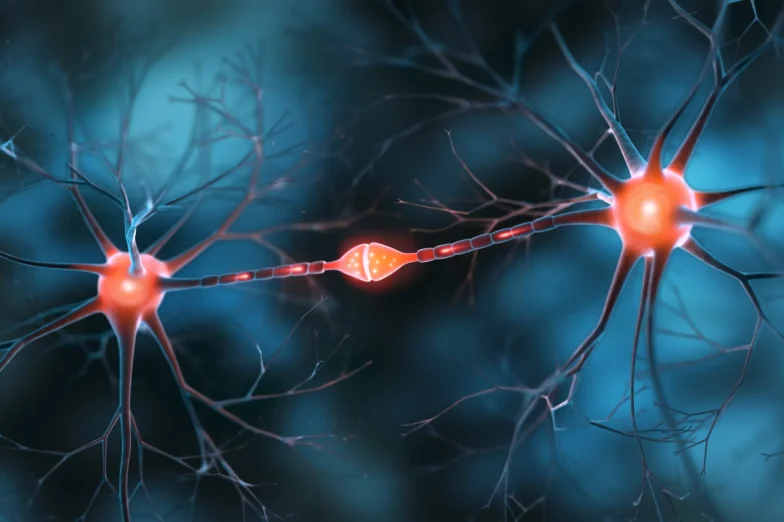
We now know that the digestive system is not simply a tube for processing food. The gut houses the enteric nervous system, often referred to as the “second brain,” a complex network of neurons that communicates continuously with the brain via the vagus nerve. Most of this communication flows from the gut to the brain, which helps explain why digestive distress so strongly influences mood, mental clarity, and emotional regulation.
When we say “I feel a knot in my stomach” or “this doesn’t sit right with me,” we are not speaking metaphorically—we are describing a real neurophysiological experience. For this reason, in integrative clinical practice, it is common to observe that where there is persistent emotional distress, there is also a history of digestive challenges. Symptoms tell a story, and our role is to listen to that story, make sense of it, and translate it into actionable care.
Eating as a Ritual of Regulation and Connection
The way we relate to food also regulates the nervous system. Preparing fresh food is not merely a domestic task; it is an act of deep self-regulation. Chopping, mixing, kneading, cooking, and serving are rhythmic, repetitive gestures that restore a sense of order and continuity in the body. These movements invite the nervous system out of constant alertness and into a slower, more coherent rhythm. Cooking at home, with attention and without rushing, organizes time, body, and mind; it is an accessible, everyday form of emotional care.
Food preparation also creates a clear transition between the outside world and the moment of nourishment. The aromas released during cooking, the sound of simmering, and the anticipation of taste all prepare the digestive system to receive food. The body recognizes that there is no urgency, that there is time, that it is safe. In this context, eating ceases to be automatic and becomes an integrated experience.
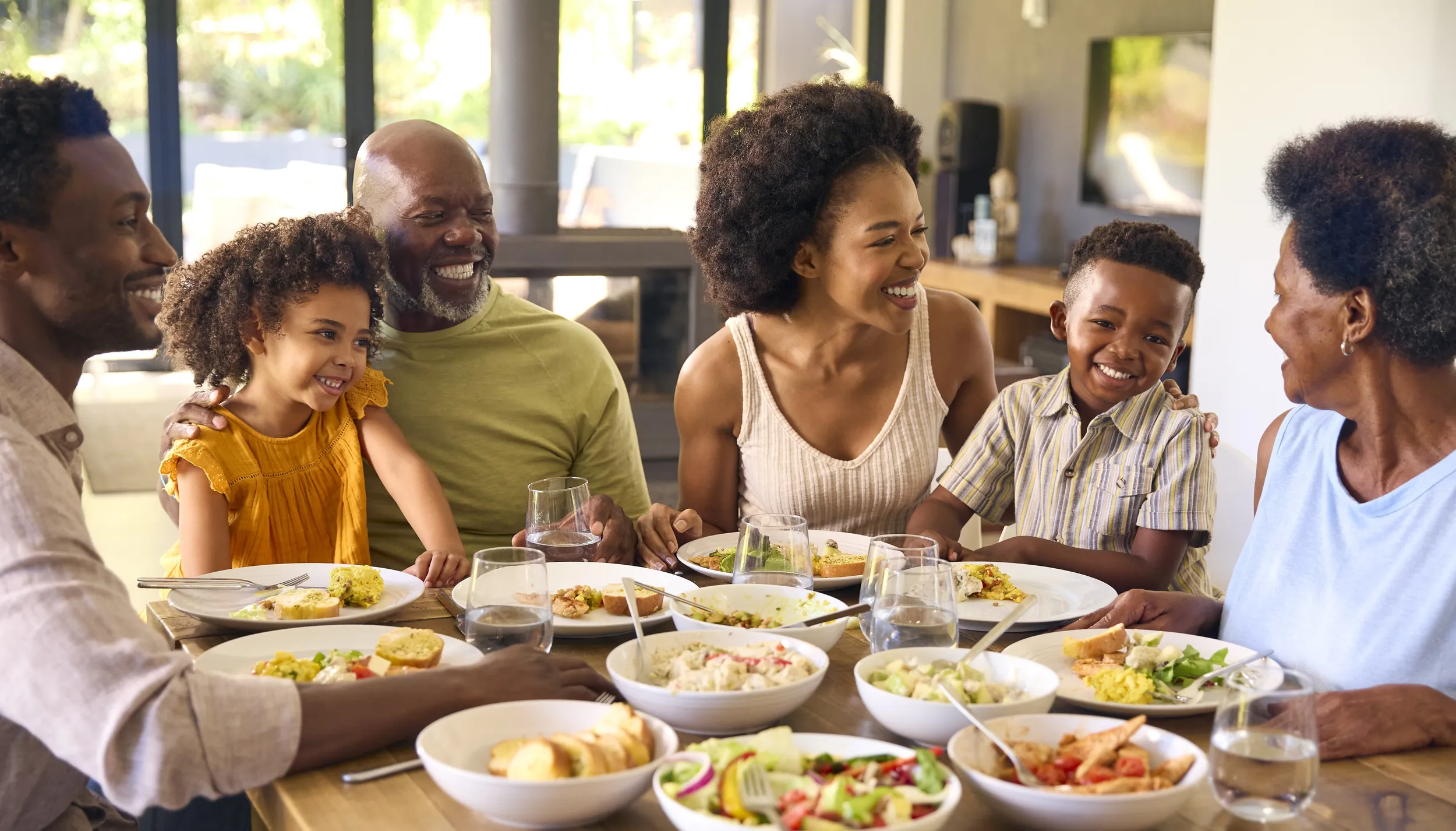
Eating in the company of others amplifies this regulatory effect. Sharing food is one of the oldest and most universal human rituals. Sitting at a table with others, making eye contact, conversing, and synchronizing rhythms generates a deep sense of belonging. The nervous system interprets this closeness as safety: there is no threat, no urgency, and no isolation. In this state, digestion flows more easily, and the body can fully focus on assimilation and repair. This is why, across cultures, food is inseparably linked to celebration, grief, care, and community.
In contrast, eating alone, in front of a screen, or in a state of urgency fragments the bodily experience. The body receives food, but not context. There is no pause, no transition, no signal of calm. The nervous system remains activated, and digestion occurs only partially, as if the body were attempting to do two things at once: survive and nourish itself. When eating loses its ritual dimension, it also loses part of its therapeutic potential. Reclaiming food as ritual does not require perfection, only presence: time, attention, and, when possible, connection.
Conclusions: From Nourishment to Well-Being
Eating calmly is a biological necessity. Pausing to breathe before eating, sitting down, chewing slowly, and being present sends the body a clear signal of safety. When the nervous system receives this signal, digestion can fully engage. Honoring this principle not only improves digestion; it also strengthens the relationship with food and with one’s own body.
Ultimately, eating is an act that integrates body, mind, and connection. When we restore food to its ritual, relational, and regulatory dimensions, nutrition becomes more than a collection of nutrients—it becomes a profound tool for mental health and overall well-being. This broader, integrative view of food is a central theme of my book, Nutrition Essentials for Mental Health: A Complete Guide to the Food–Mood Connection. The book invites readers to understand food not only through a clinical lens but through its real impact on everyday life, offering practical and flexible guidance that translates nutritional knowledge into meaningful action. It is an invitation to use the plate as a space for regulation, care, and emotional support—for professionals and for anyone interested in supporting their mental well-being.

She served as a Fulbright scholar on traditional medicine, a Clinical Fellow at Harvard Medical School, and a National Institutes of Health-funded research scientist in mind/body medicine.
- Integrative Energy Therapies for Trauma and Nervous System Healing - March 16, 2026
- Cooking with Spices and Herbs for Mental Health - March 6, 2026
- How Medications Affect Nutritional Status and Why It Matters for Mental Health - February 27, 2026

Are You Ready to Advance Your Career?
If you want to advance your career in integrative medicine, explore my courses and certifications.