

Post-SSRI Sexual Dysfunction (PSSD) is an underrecognized but increasingly discussed condition that affects some individuals after the discontinuation of antidepressant medications, particularly SSRIs and SNRIs.
While antidepressants are widely prescribed for depression and anxiety, including in children and adolescents, less attention has historically been paid to their potential long-term effects on sexual development and sexual functioning. Understanding PSSD is essential for clinicians, patients, and caregivers to support informed decision-making and ethical prescribing practices.
Antidepressants, Sexual Development, and Long-Term Risk
One of the (many) problems with medicating depression and anxiety in children and teens is the blunting of sexual desire and the sexual developmental path. While not yet in the formal diagnostic manual, syndromes, especially iatrogenic syndromes, often take years to be codified with a formal diagnosis and inclusion, if ever, in the DSM. The European Commission appears to have already issued warnings, as it often does before the United States.
What is Post-SSRI Sexual Dysfunction (PSSD)
Post-SSRI Sexual Dysfunction (PSSD) is a condition characterized by the persistence of sexual side effects after the discontinuation of selective serotonin reuptake inhibitors (SSRIs) and serotonin–norepinephrine reuptake inhibitors (SNRIs). Although acute sexual side effects during treatment, such as decreased libido, anorgasmia, and erectile difficulties, are common, PSSD refers specifically to symptoms that continue for months or years after ceasing use of antidepressant therapy. In recent years, PSSD has garnered increasing attention in clinical psychiatry, pharmacology, and patient advocacy communities due to its complex presentation, uncertain mechanisms, and significant impact on quality of life.
Clinical Presentation and Symptoms of PSSD
PSSD symptoms may include reduced sensation, erectile dysfunction, decreased vaginal lubrication, diminished libido, anorgasmia, and an overall reduced capacity for sexual enjoyment (Healy et al., 2018). Many patients report a “genital numbness” or an emotional blunting that extends beyond sexual function. These symptoms typically emerge either during SSRI use or immediately following discontinuation and may persist even after the drug has fully cleared from the body (Csoka et al., 2008).
Unlike typical SSRI-induced sexual dysfunction—which usually resolves after discontinuation—PSSD is distinguished by chronicity. Clinical reports describe symptoms that persist for months to decades, raising concerns about long-term neurochemical or epigenetic changes (Carvalho et al., 2016). This persistence has led regulators such as the European Medicines Agency to acknowledge PSSD as a potential risk associated with SSRIs (EMA, 2019).
Prevalence and Underrecognition of PSSD
Sexual side effects during SSRI treatment are common, affecting between 30% and 70% of patients (Montejo et al., 2019). However, fewer people develop enduring symptoms. Because many clinicians are unfamiliar with PSSD, symptoms are often erroneously considered depression relapse, relationship issues, endocrine disorders, or psychological causes.
Clients often report feeling dismissed when presenting symptoms to healthcare professionals. (Healy et al., 2018). PSSD requires careful assessment to differentiate it from depression-related sexual dysfunction, hormonal imbalances, medical illness, or relational factors.
Causes and Mechanisms of Post-SSRI Sexual Dysfunction
The mechanisms underlying PSSD remain unclear, leading to several hypothetical theories, including:
1. Serotonergic System Dysregulation
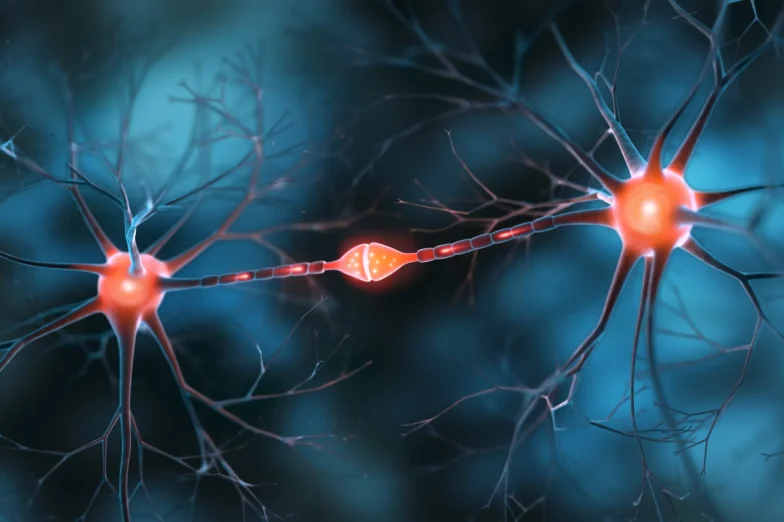
SSRIs increase synaptic serotonin by inhibiting its reuptake. Chronic elevation may downregulate specific serotonin receptors or produce long-lasting alterations in neurotransmitter pathways governing sexual response.
2. Dopaminergic Suppression
Serotonin and dopamine systems interact inversely. Increased serotonergic activity may suppress dopamine in key reward circuits, potentially blunting sexual desire and pleasure perception (Taylor et al., 2018). Persistent dysregulation could contribute to chronic anhedonia and sexual dysfunction.
3. Peripheral Neuropathy
Some researchers propose that SSRIs may alter peripheral nerve function, leading to decreased genital sensation. Csoka and colleagues (2008) hypothesize long-term epigenetic changes that modify nerve signaling or desensitize genital tissue.
4. Epigenetic Modifications
Animal studies suggest that SSRIs can induce epigenetic changes that affect gene expression in the central nervous system (Carvalho et al., 2016). These changes might persist after the drug is eliminated.
5. Endocrine Effects
Some studies suggest disruptions in testosterone, estrogen, and prolactin levels during SSRI treatment. Whether these persist after discontinuation remains unclear, but endocrine imbalance could exacerbate symptoms for some individuals (Montejo et al., 2019).
While none of these theories is definitive, PSSD is likely multifactorial, involving both central and peripheral processes.
Assessment And Diagnosis
There is currently no formal diagnostic test for PSSD, so a thorough history should include
- Discussion of normal sexual functioning before SSRI exposure
- Onset of sexual symptoms during or shortly after treatment
- Persistence for at least several months after discontinuation
- Exclusion of other potential causes (hormonal abnormalities, medical conditions, medication interactions)
Treatment Options for Post-SSRI Sexual Dysfunction
Because PSSD lacks a definitive etiology, treatment remains largely experimental and individualized. Some approaches explored in case reports and small studies include:
1. Pharmacological Interventions
Medications like bupropion, mirtazapine, buspirone, or phosphodiesterase-5 inhibitors are employed, although adding medications to address an iatrogenic condition raises valid clinical concerns.
2. Hormonal Evaluation and Targeted Treatment
Testing for low testosterone, thyroid dysfunction, or elevated prolactin may reveal treatable endocrine contributors.
3. Psychotherapy and Sex Therapy Support
While PSSD is biological, the psychological impact is significant. Therapy may help individuals and partners navigate emotional distress, relational strain, and changes in sexual identity.
4. Lifestyle and Integrative Approaches to Reduce SSRI and SNRI Use
Exercise, stress reduction, and sleep optimization can support overall sexual health, though they do not typically resolve core symptoms. Lifestyle-based approaches for treating depression and anxiety—including intensive exercise, targeted nutrition (such as B vitamins and omega-3 fatty acids), herbal medicine, and energy medicine—remain among the most effective strategies to reduce reliance on SSRIs and SNRIs.
Ethical and Clinical Implications
The existence of PSSD raises vital concerns about informed consent and risk-benefit assessment in antidepressant prescribing. Reviewing the potential harm with a client considering starting medication or who wishes to taper is essential. Providing clear information about risks empowers patients to make more informed decisions.
Conclusion
PSSD is a complex condition that challenges prevailing assumptions about the full reversibility of SSRI-related sexual side effects. While much remains unknown, a growing body of clinical and regulatory evidence supports the legitimacy of persistent sexual symptoms following antidepressant discontinuation.
These concerns underscore the importance of careful risk–benefit evaluation, informed consent, and ongoing clinical monitoring when prescribing antidepressant medications. This further supports an integrative, individualized approach to mental health care that prioritizes effectiveness while minimizing the risk of long-term iatrogenic harm.
References
Carvalho, A. F., Sharma, M. S., Brunoni, A. R., Vieta, E., & Fava, G. A. (2016). The Safety, Tolerability and Risks Associated with the Use of Newer Generation Antidepressant Drugs: A Critical Review of the Literature. Psychotherapy and psychosomatics, 85(5), 270–288. https://doi.org/10.1159/000447034
Csoka, A. B., Bahrick, A., & Mehtonen, O. P. (2008). Persistent sexual dysfunction after discontinuation of selective serotonin reuptake inhibitors. The journal of sexual medicine, 5(1), 227–233. https://doi.org/10.1111/j.1743-6109.2007.00630.x
Healy, D., Bahrick, A., Bak, M., Barbato, A., Calabrò, R. S., Chubak, B. M., Cosci, F., Csoka, A. B., D’Avanzo, B., Diviccaro, S., Giatti, S., Goldstein, I., Graf, H., Hellstrom, W. J. G., Irwig,
M. S., Jannini, E. A., Janssen, P. K. C., Khera, M., Kumar, M. T., Le Noury, J., … Waraich, A. (2022). Diagnostic criteria for enduring sexual dysfunction after treatment with antidepressants, finasteride and isotretinoin. The International journal of risk & safety in medicine, 33(1), 65–76. https://doi.org/10.3233/JRS-210023
Klaas, S., Siva, J. B., Bak, M., Govers, M., & Schreiber, R. (2023). The pathophysiology of Post SSRI Sexual Dysfunction – Lessons from a case study. Biomedicine & pharmacotherapy = Biomedecine & pharmacotherapie, 161, 114166. https://doi.org/10.1016/j.biopha.2022.114166
Montejo, A. L., Montejo, L., & Baldwin, D. S. (2018). The impact of severe mental disorders and psychotropic medications on sexual health and its implications for clinical management. World psychiatry : official journal of the World Psychiatric Association (WPA), 17(1), 3–11. https://doi.org/10.1002/wps.20509
Taylor, M. J., Rudkin, L., Bullemor-Day, P., Lubin, J., Chukwujekwu, C., & Hawton, K. (2013). Strategies for managing sexual dysfunction induced by antidepressant medication. The Cochrane database of systematic reviews, 2013(5), CD003382. https://doi.org/10.1002/14651858.CD003382.pub3

She served as a Fulbright scholar on traditional medicine, a Clinical Fellow at Harvard Medical School, and a National Institutes of Health-funded research scientist in mind/body medicine.
- Culture as Medicine: Why Trauma Must Be Healed in Cultural Context - March 27, 2026
- Integrative Energy Therapies for Trauma and Nervous System Healing - March 16, 2026
- Cooking with Spices and Herbs for Mental Health - March 6, 2026

Are You Ready to Advance Your Career?
If you want to advance your career in integrative medicine, explore my courses and certifications.