
Introduction: What Are Amino Acids and Why Do They Matter?
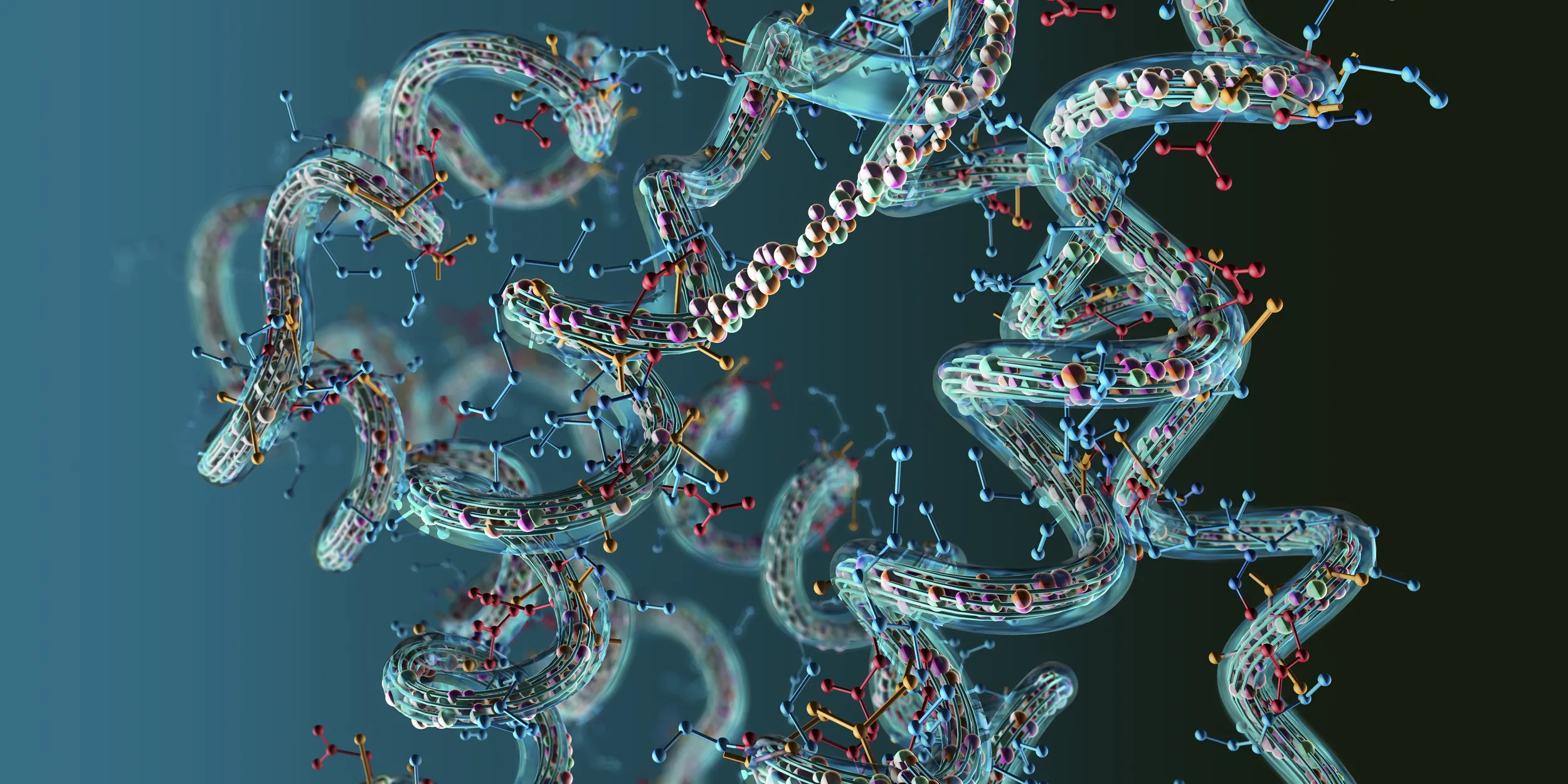
Amino acids are the fundamental building blocks of proteins and essential precursors for neurotransmitters, making them central to both brain and body function. While commonly associated with muscle growth and repair, their roles extend far beyond tissue formation. Amino acids are critical for neuronal communication, energy metabolism, mood regulation, immune function, detoxification, and stress resilience. Understanding how they work and which ones are most impactful can provide insights into optimizing physical and mental well-being.
Amino acids are classified into three main categories: essential, non-essential, and conditionally essential.
- Essential amino acids cannot be synthesized by the human body and must be obtained through diet or supplementation.
- Non-essential amino acids can be produced by the body from other amino acids or metabolic pathways.
- Conditionally essential amino acids are typically non-essential but become crucial during periods of stress, illness, or trauma.
The strategic use of amino acid supplementation has gained attention for its potential to support cognitive function, mood stabilization, and recovery from physical or psychological stressors.
How Amino Acids Function in the Body
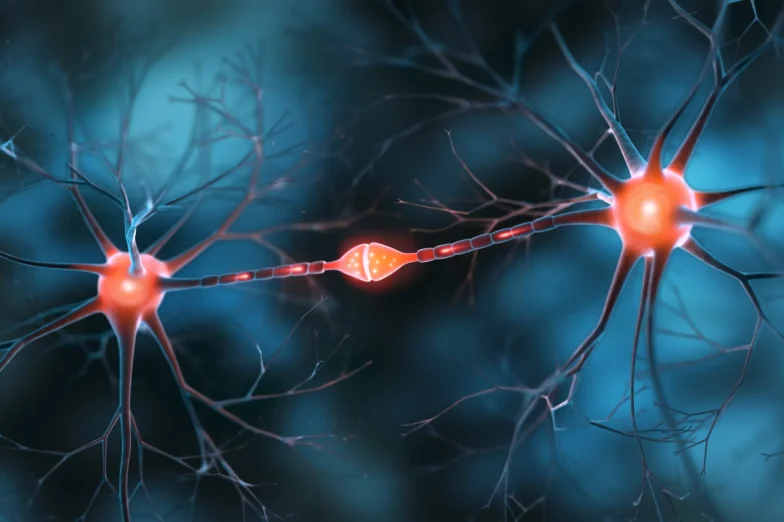
Amino acids influence multiple physiological systems. One of their most well-studied roles is as precursors for neurotransmitters—the chemical messengers that regulate mood, cognition, and behavior. For example, tryptophan is converted into serotonin, the neurotransmitter associated with mood stabilization and sleep regulation. Tyrosine and phenylalanine are precursors to dopamine and norepinephrine, which influence energy, motivation, and focus. GABA, an inhibitory neurotransmitter, is supported by amino acids like glycine and L-theanine, promoting relaxation and reducing overactivation of stress pathways.
Beyond neurotransmission, amino acids contribute to immune and digestive health. Glutamine, the most abundant amino acid in the body, is critical for maintaining intestinal barrier integrity and supporting immune cell function. In times of physical stress, illness, or trauma, glutamine demand increases, making dietary intake or supplementation particularly important (Matthews et al., 2012).
Amino acids also play a key role in detoxification and antioxidant defense. N-acetylcysteine (NAC), derived from cysteine, is a precursor for glutathione—the body’s primary intracellular antioxidant. NAC crosses the blood-brain barrier, supporting neural antioxidant defenses and reducing oxidative stress, which has implications for psychiatric disorders, neurodegeneration, and addiction recovery (Berk et al., 2023; Bradlow et al., 2022).
Dietary Sources and Supplementation
High-quality dietary proteins provide a complete spectrum of amino acids, with animal sources such as meat, fish, eggs, and dairy offering all essential amino acids. Plant-based sources like legumes, quinoa, and soy are rich in amino acids but may require combinations to achieve a full profile. Supplementation is often used to provide free-form amino acids, which can be absorbed more rapidly than those bound in whole proteins. Free amino acids allow targeted support for neurotransmitter production and metabolic processes, offering a more precise approach for cognitive and emotional support.
Intravenous amino acid therapy is an advanced method used in clinical settings to deliver high doses directly into the bloodstream. Combined with vitamins and minerals, IV therapy can support recovery from chronic fatigue, acute stress, or substance use disorders. While more intensive, this approach highlights the potential of amino acids to influence both brain and body function under conditions where oral supplementation may be insufficient.
Key Amino Acids and Their Benefits
Certain amino acids have been extensively studied for their impact on mental health and physiological function:
- Glycine: An inhibitory amino acid that promotes calmness, reduces anxiety, and improves sleep quality. Glycine also supports antipsychotic therapy and exhibits anti-inflammatory properties (Javitt & Zukin, 2023; Soh et al., 2024). It is abundant in collagen and bone broth.
- N-acetylcysteine (NAC): Enhances glutathione levels, reducing oxidative stress and supporting neurological health. NAC has shown benefits in compulsive disorders, addiction recovery, and psychiatric conditions such as schizophrenia and bipolar disorder (Berk et al., 2023; Bradlow et al., 2022).
- L-glutamine: Supports gut health, cognitive function, and energy metabolism. During periods of physical or mental stress, glutamine becomes conditionally essential, aiding tissue repair and immune response (Matthews et al., 2012).
- DL-Phenylalanine and Tyrosine: These amino acids elevate dopamine and norepinephrine, improving mood, focus, and energy levels. They are particularly beneficial in fatigue, PMS-related depression, and attention regulation (Li & Zhang, 2023; Martins & Silva, 2023).
- Taurine: A conditionally essential amino acid with antioxidant properties, taurine supports cardiovascular health, glucose metabolism, and neurological function (Jangra et al., 2024).
- L-theanine: Found in green and black teas, L-theanine enhances relaxation without sedation, promotes alpha brain wave activity, and supports concentration and memory formation (Baba et al., 2021).
- L-tryptophan and 5-HTP: Serve as precursors for serotonin and melatonin, influencing mood, anxiety, and sleep. These amino acids are particularly effective when combined with cofactors like vitamin B6 to optimize neurotransmitter synthesis.
Conclusion
Amino acids are far more than simple nutrients—they are versatile molecules that support brain function, emotional balance, and overall physiological resilience. Through diet, targeted supplementation, or clinical protocols, they provide a scientific foundation for optimizing mental and physical health.
For those who wish to explore this topic in greater depth, including detailed guidance on dosing, contraindications, and clinical applications, my book Nutrition Essentials for Mental Health, Second Edition offers a comprehensive resource. With clear dietary and health assessment tools, up-to-date research, and real-world case studies, the book addresses the therapeutic role of amino acids alongside nutritional supplementation, bioidentical hormones, glandulars, and protocols for mental health support. It also provides guidance on the safe and effective use of herbs, foods, and legal considerations, making it a guide for both clinicians and health-conscious readers seeking integrative strategies.
References
Baba, Y., Inagaki, S., Nakagawa, S., Kaneko, T., Kobayashi, M., & Takihara, T. (2021). Effects of L-theanine on cognitive function in middle-aged and older subjects: A randomized placebo-controlled study. Journal of Medicinal Food, 24(4), 333–341.
Berk, M., Dean, O. M., Cotton, S. M., et al. (2023). The use of N-acetylcysteine as an adjunctive treatment in bipolar depression: A randomized placebo-controlled trial. Journal of Clinical Psychiatry, 84(5), e454–463. https://doi.org/10.4088/JCP.22m14
Bradlow, R. C. J., Berk, M., Kalivas, P. W., Back, S. E., & Kanaan, R. A. (2022). The potential of N-acetyl-L-cysteine (NAC) in the treatment of psychiatric disorders. CNS Drugs, 36(5), 451–482. https://doi.org/10.1007/s40263-022-00907-
Jangra, A., Gola, P., Singh, J., Gond, P., Ghosh, S., Rachamalla, M., Dey, A., Iqbal, D., Kamal, M., Sachdeva, P., Jha, S. K., Ojha, S., Kumar, D., Jha, N. K., Chopra, H., & Tan, S. C. (2024). Emergence of taurine as a therapeutic agent for neurological disorders. Neural Regeneration Research, 19(1), 62–68. https://doi.org/10.4103/1673-5374.374139
Javitt, D. C., & Zukin, S. R. (2023). Glycine treatment for negative symptoms of schizophrenia: A randomized, double-blind trial. Biological Psychiatry, 94(2), 111–118. https://doi.org/10.1016/j.biopsych.2023.05.014
Li, W., & Zhang, H. (2023). DL-phenylalanine as a potential treatment for mood disturbances in premenstrual syndrome: A randomized controlled trial. Journal of Women’s Health, 32(7), 892–899. https://doi.org/10.1089/jwh.2023.0145
Martins, R., & Silva, M. (2023). The role of DL-phenylalanine in modulating dopamine pathways in ADHD: A clinical study on efficacy and safety. Journal of Psychopharmacology, 37(5), 678–685. https://doi.org/10.1177/0269881123112356
Matthews, L. R., Danner, O. K., Ahmed, Y. A., Dennis-Griggs, D. M., Frederick, A., Clark, C., … Wilson, K. L. (2012). Combination therapy with vitamin D3, progesterone, omega 3-fatty acids and glutamine reverses coma and improves clinical outcomes in patients with severe traumatic brain injuries: A case series. International Journal of Case Reports and Images, 4(3), 143–149.Soh, J., Raventhiran, S., Lee, J. H., Lim, Z. X., Goh, J., Kennedy, B. K., & Maier, A. B. (2024). The effect of glycine administration on the characteristics of physiological systems in human adults: A systematic review. GeroScience, 46(1), 219–239. https://doi.org/10.1007/s11357-023-00970-8

She served as a Fulbright scholar on traditional medicine, a Clinical Fellow at Harvard Medical School, and a National Institutes of Health-funded research scientist in mind/body medicine.
- Culture as Medicine: Why Trauma Must Be Healed in Cultural Context - March 27, 2026
- Integrative Energy Therapies for Trauma and Nervous System Healing - March 16, 2026
- Cooking with Spices and Herbs for Mental Health - March 6, 2026

Are You Ready to Advance Your Career?
If you want to advance your career in integrative medicine, explore my courses and certifications.