Adapted from Nutrition Essentials For Mental Health: A Complete Guide To The Food-Mood Connection (2nd Edition). © 2026 Leslie Korn.
Fiber and fermented foods are foundational elements of traditional diets and are increasingly recognized as essential for both digestive and mental health. In modern industrialized diets, however, fiber intake has dropped dramatically, contributing to widespread gut dysfunction, inflammation, metabolic disease, and mood disorders. From an integrative health perspective, restoring fiber, prebiotics, and probiotics is one of the most effective ways to support the gut–brain axis.
Why Fiber Matters More Than You Think
Dietary fiber is essential for a healthy colon, stable blood sugar, immune balance, and brain health. Fiber exists in digestible and nondigestible forms, and while it provides no calories or direct energy, it plays a crucial mechanical and biochemical role in the body.
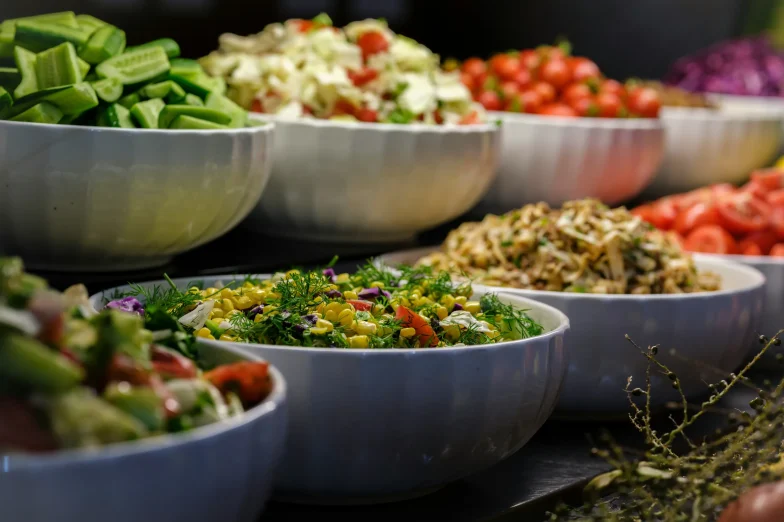
Fiber passes through the digestive tract largely undigested, but along the way it adds bulk to stool, sweeps debris from the colon walls, and supports regular elimination. Most people benefit from 25–45 grams of fiber daily, depending on body size and activity level—an amount rarely achieved on the Standard American Diet (SAD).
Beyond digestion, fiber feeds beneficial gut microbes. When gut bacteria ferment fiber, they produce short-chain fatty acids (SCFAs) such as acetate. Acetate travels to the hypothalamus and sends satiety signals that help suppress appetite and regulate eating behavior (Frost et al., 2014). This mechanism helps explain why fiber-rich diets are associated with better weight regulation and metabolic health.
Traditional and Paleolithic diets provided up to ten times more fiber than modern diets. For this reason, fiber is often referred to as a prebiotic—the “soil” that allows the gut microbiome “garden” to flourish. Modern ultra-processed diets not only lack sufficient fiber but often replace it with refined carbohydrates and additives that further disrupt the microbiota. In contrast, fiber-rich traditional diets—root vegetables, legumes, seeds, wild greens, and whole grains—supported a resilient microbial ecosystem capable of adapting to stress, infection, and environmental change.
Soluble vs. Insoluble Fiber
There are two main types of fiber, each serving distinct but complementary functions.
- Soluble fiber absorbs water and forms a gel-like substance in the digestive tract. This slows digestion, increases feelings of fullness, delays stomach emptying, and moderates glucose absorption—making it particularly beneficial for people with diabetes or insulin resistance. Sources include oat bran, beans, lentils, nuts, peas, psyllium husk, chia seeds, barley, and certain fruits and vegetables.
- Insoluble fiber, by contrast, does not dissolve in water. Instead, it absorbs water and expands like a sponge, helping to move material through the intestines. This mechanical action prevents constipation and supports regular bowel movements. Insoluble fiber is found in wheat bran, whole grains, corn, seeds and nuts, brown rice, flaxseed, and the skins of many fruits and vegetables.
Prebiotics: Preparing the Soil
Prebiotics are soluble, indigestible fibers that nourish beneficial gut bacteria and prevent harmful microbes from dominating. Like healthy soil in a garden, prebiotics help probiotics thrive while increasing resistance to pathogenic “pests.”
Foods rich in prebiotics include onions, garlic, leeks, asparagus, Jerusalem artichokes, beans, wheat, bananas, chicory root, dandelion, agave, and some coffee substitutes. Chia seeds are particularly valuable because they contain both soluble and insoluble fiber, along with omega-3 fatty acids.
Many traditional cultures practiced soaking ground chia or flaxseed in water overnight and drinking it in the morning—an elegant way to support digestion, provide essential fats, and gently stimulate bowel function. While juicing has benefits, relying on juices at the expense of whole fruits and vegetables removes most of the fiber that the gut microbiome depends on.
Fermented Foods and Probiotics: Feeding the Mind Through the Gut
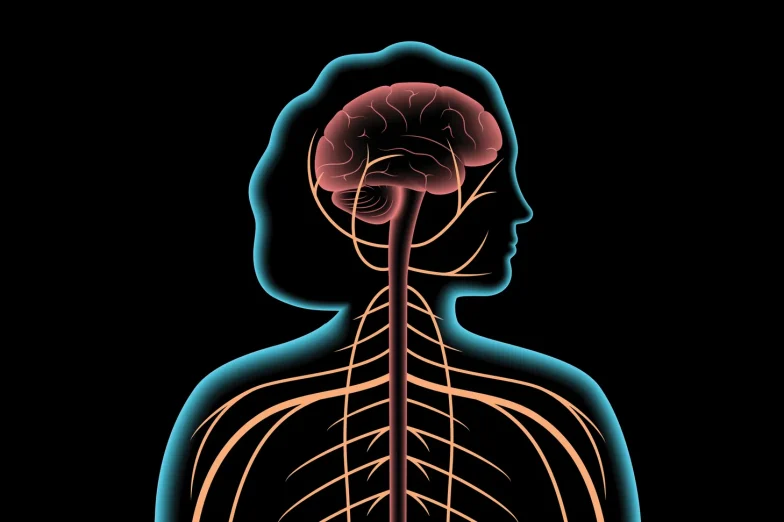
Probiotics are increasingly referred to as “psychobiotics,” a term used to describe beneficial microorganisms that can support mental and emotional well-being. Certain gut bacteria help regulate key brain chemicals such as GABA and serotonin, which are closely involved in calming the nervous system, regulating mood, and managing stress. When the gut microbiome is healthy and balanced, people often experience better emotional regulation, greater stress resilience, and fewer anxiety symptoms.
This connection between gut health and mental health begins early in life and continues throughout adulthood. Stress—especially when it is chronic or experienced early—can shape the gut microbiome in ways that make the nervous system more reactive later on. Traditional fermented foods appear to help counterbalance this effect. For example, Lactobacillus, a beneficial bacterium found in foods like kimchi, has been associated with improved brain resilience and emotional stability. This may help explain why cultures that regularly consume fermented foods often emphasize their role not just in digestion, but in overall vitality, mood, and mental clarity.
Early experiences play an important role in shaping the gut microbiome and, in turn, long-term mental and immune health. Factors such as early-life stress and repeated antibiotic use can disrupt the balance of gut bacteria, increasing vulnerability to anxiety, low mood, and immune dysregulation later in life. In contrast, early microbial exposure helps lay the foundation for resilience.
Breastfeeding, vaginal birth, and close contact with the mother’s microbiota are associated with stronger immune development and lower rates of allergies. These early microbial interactions help “train” the immune system and support a more balanced stress response. From a whole-person perspective, supporting gut health early in life—and restoring it later when it has been disrupted—is a powerful way to promote both physical and emotional well-being.
Key Probiotic Strains to Know
Several probiotic species stand out for their clinical relevance:
- Akkermansia muciniphila supports the gut mucus layer and helps repair leaky gut and inflammation. It thrives on polyphenol-rich foods like cranberries, pomegranate, and green tea.
- Lactobacillus acidophilus, casei, and bulgaricus support digestion, lactose metabolism, and immune balance.
- Bifidobacteria, including Bifidobacterium longum 1714, produce SCFAs and have demonstrated anxiolytic effects and improved sleep.
- Saccharomyces boulardii, a probiotic yeast, is especially effective for gastrointestinal disorders and Candida overgrowth, modulating immune responses and reducing inflammation.
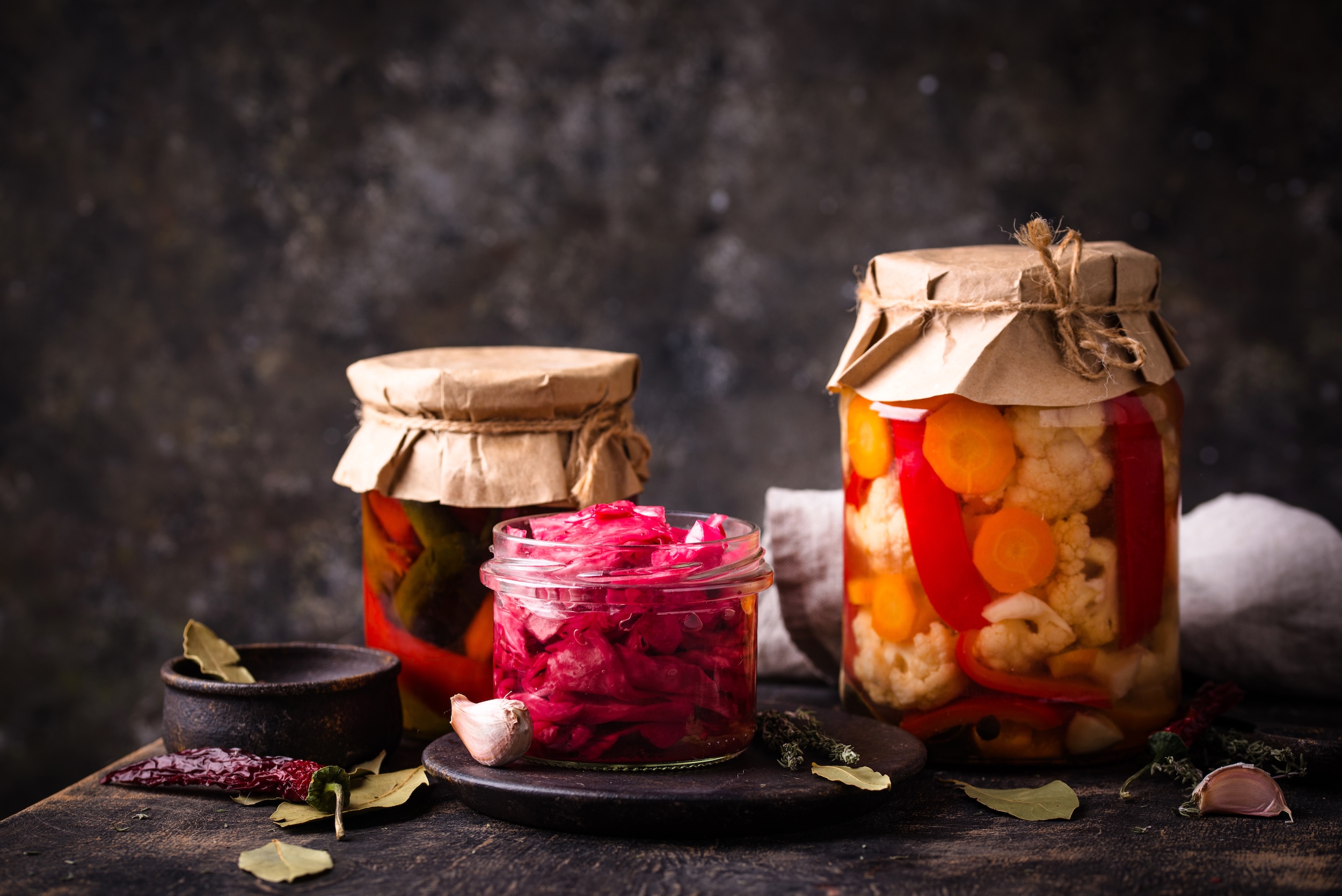
Sources of probiotics include fermented foods such as sauerkraut, kimchi, miso, kombucha, tepache, yogurt with live cultures, aged cheeses, and targeted supplements. Consuming probiotic foods several times per week supports microbial diversity.
A Foundation for Lifelong Health
The gut microbiota is not a minor detail of digestion—it is a central foundation for lifelong health. This vast internal ecosystem, made up of trillions of microorganisms, influences how we digest food, regulate inflammation, balance blood sugar, and respond emotionally to stress. As we have seen, a well-nourished and diverse microbiome supports mood stability, reduces vulnerability to anxiety and depression, and strengthens the body’s capacity for resilience.
Fiber and fermented foods play a key role in caring for this internal “garden.” From the earliest stages of life, the gut microbiota helps shape immune development, stress regulation, and long-term mental well-being. Later in life, diet becomes one of the most powerful tools we have to either restore or undermine this balance. The greater the diversity of fibers and fermented foods in the diet, the more robust and adaptable the microbiome becomes—supporting not just digestion, but overall vitality.
Caring for the gut is, in many ways, an act of caring for the whole person. When we nourish this living ecosystem with real, varied, and traditional foods, we create the conditions for both physical and emotional well-being to flourish. In Nutrition Essentials for Mental Health, I continue to explore these connections in depth, offering practical, clinically grounded strategies and nourishing recipes that help translate nutritional science into everyday care—supporting metabolic health, emotional balance, and mental resilience across the lifespan.

She served as a Fulbright scholar on traditional medicine, a Clinical Fellow at Harvard Medical School, and a National Institutes of Health-funded research scientist in mind/body medicine.
- Eating for Mental Health on a Budget: Delicious, Nutritious Foods That Don’t Break the Bank - October 14, 2026
- Types of Magnesium: How to Choose the Right Form - September 28, 2026
- The Vagus Nerve in Trauma Treatment: Evidence, Exaggeration, and Clinical Judgment - September 16, 2026

Are You Ready to Advance Your Career?
If you want to advance your career in integrative medicine, explore my courses and certifications.