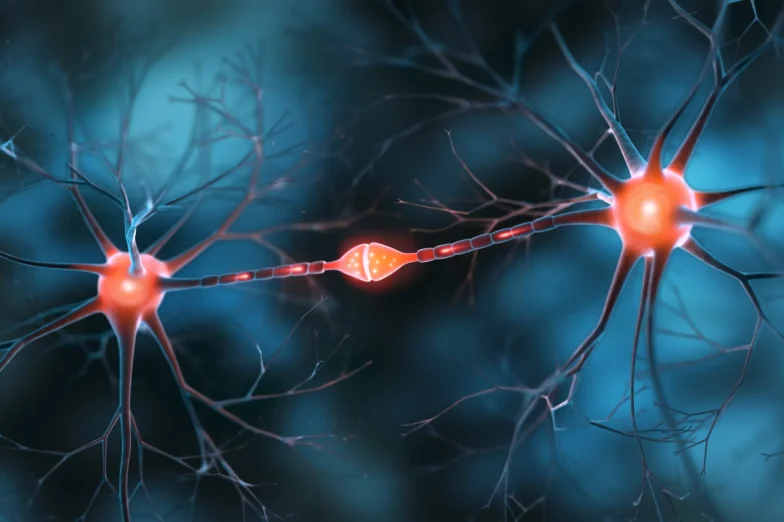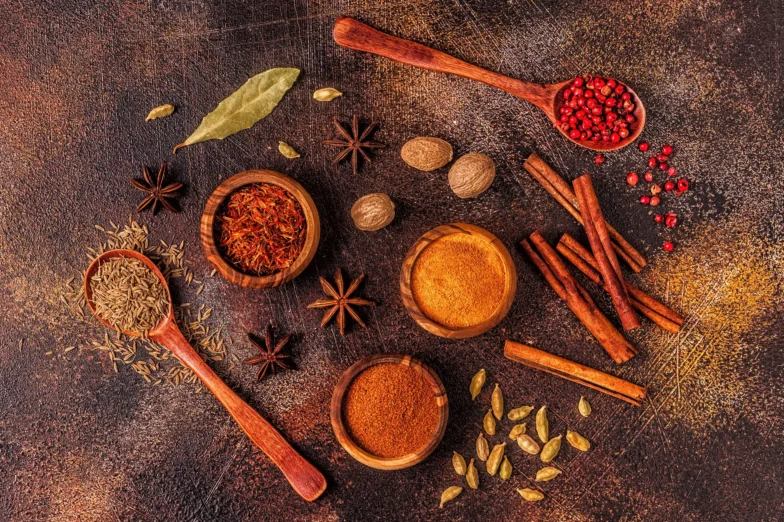


There is no doubt that nutrition affects mental health. Poor nutrition both leads to and worsens mental illness. Optimal nutrition, on the other hand, helps prevent and treat mental illness. The word optimal matters here. It is not enough for a diet to be “good” or merely sufficient for survival. To support brain health, food must be nutrient-dense and tailored to the individual.
Many people have been missing the basic nutritional ingredients for optimal brain function since life in the womb. When we look closely, we almost always find that where there is mental illness, there is also a poor-quality diet—and often digestive problems as well.
When clinicians add the lens of nutrition, diet, and digestion to their clinical toolbox, their entire approach to care changes. Outcomes improve. Healing deepens.
Changing thoughts, beliefs, behaviors, and habits takes time in therapy. Changing nutritional habits also takes time. But the results are real and reliable. When the brain finally receives what it needs to function properly, mood, cognition, and emotional regulation begin to shift—sometimes in ways that surprise both client and clinician.
The Standard American Diet (SAD): Why It Makes Us Sad
The Standard American Diet—often called the SAD—really does make us sad.
This diet is dominated by ultra-processed foods: refined sugars in fruit juices and sugary drinks, highly refined flours in breads and pastries, and industrially processed rice and pasta. These products are loaded with synthetic preservatives, food colorings, hormones, antibiotics, and chemical additives known to alter mood and disrupt brain chemistry.
Much of this is not real food at all—it is “fake food” engineered in laboratories, not grown on farms or found in nature. These products are designed to sit on shelves for months, reducing costs for manufacturers but stripping food of its life-giving nutrients.
The SAD diet promotes chronic inflammation and sets the stage for neurotransmitter imbalances (Clemente-Suárez et al., 2023). It contributes directly to depression, anxiety, cognitive decline, and other mental health conditions. Some people survive on this diet for decades, though rarely thrive. For others, illness appears in childhood or later in midlife. Either way, it eventually comes—just like a car that sputters to a stop when fueled with the wrong gasoline.
Why So Many People Are Poorly Nourished (Beyond the Obvious)
It is easy to blame individuals for “eating badly.” But the reality is far more complex.
Many people live with chronic poverty or experience injury-related economic loss that limits access to high-quality food. Others simply do not know what good nutrition really is and are vulnerable to misleading advertising or outdated medical myths.
Some struggle with self-care due to depression, trauma, or burnout. Others have spent long periods in hospitals or institutions where they were served low-quality, cheap food. People dealing with addiction often do not eat enough—or cannot properly metabolize what they do eat.
Pharmaceutical medications, alcohol, and recreational drugs deplete critical nutrients. Add to this the cultural normalization of ultra-processed food, time pressure, emotional eating, and the disconnection from traditional food practices, and it becomes clear: poor nutrition is not just a personal failure—it is a systemic problem.
And yet, nutrition remains one of the most powerful and underutilized tools in mental health care.
Inflammation and Mood
One of the most important links between diet and mental health is inflammation.
Chronic, low-grade inflammation in the body and brain contributes to depression, cognitive decline, and dementia (Hayley et al., 2021). People with higher levels of inflammation often respond poorly to antidepressant medications.
Common drivers of inflammation include:
- Chronic stress
- Poor-quality food
- Physical inactivity
- Obesity
- Smoking
- Increased gut permeability
- Lack of sleep
- Toxic exposures
- Vitamin D deficiency
Inflammation is not always visible. Unlike a bruise or a swollen joint, systemic inflammation quietly damages brain cells and disrupts neurotransmitter function. Immune cells release proteins called cytokines that contribute to depression and nerve cell breakdown.
Refined sugars and ultra-processed foods act as dietary stressors, triggering inflammatory responses. By contrast, foods like fresh berries, turmeric, ginger, leafy greens, and omega-3–rich fats help “quench the fires” of inflammation.
Reducing sugar intake, increasing anti-inflammatory foods, improving sleep, and lowering stress are foundational steps for everyone—whether or not they are currently depressed.
Traditional and Authentic Diets: Food as Medicine
Across cultures and millennia, human beings evolved eating traditional diets—also called authentic diets. These foods are whole, minimally processed, nutrient-dense, and culturally grounded.
Traditional diets vary widely: Some are high in fat (such as Inuit diets), others higher in carbohydrates (such as many Indian or Mesoamerican diets). Yet all share key features: low refined sugar, minimal processing, rich antioxidant content, and natural preparation methods.
Food is not just nourishment.
Food is medicine. Food is culture. Food is ceremony. Food is sacred.
For many people today, food has become addictive, emotionally loaded, or associated with shame, control, or body image struggles. In these cases, nutrition must be integrated with counseling to heal both the biological and emotional relationship with food.
There Is No One Diet for Everyone
One of the most important principles of mental health nutrition is this:
There is no single diet that works for everyone.
Each person has a unique metabolic “engine” shaped by genetics, ancestry, and environment. Some people burn carbohydrates quickly; others slowly. Some thrive on higher-fat diets; others on higher-carbohydrate diets.
Just as a diesel engine cannot run on gasoline, the human brain cannot thrive on a diet that does not match its metabolic needs. When the fuel is wrong, the system may still function—but never optimally.
Individualized nutrition is not a trend. It is a biological reality.
The Takeaway
Mental health is not only psychological. It is biological. It is nutritional. It is inflammatory. It is metabolic. When we nourish the brain properly—using whole, traditional, individualized, and anti-inflammatory foods—we create the biological foundation for emotional resilience, cognitive clarity, and psychological healing.
Mood truly does follow food.
And food, when chosen wisely, becomes one of the most powerful medicines we have.
This perspective is at the heart of my work and forms the foundation of my new book, Nutrition Essentials for Mental Health: A Complete Guide to the Food–Mood Connection (2nd Edition). The book explores how micronutrients, amino acids, metabolism, and gut health shape mood, cognition, and emotional regulation, and how nutrition can be integrated into mental health care in a practical, individualized way.
If this resonates with you, I invite you to explore the book and continue the conversation between food, brain, and emotional well-being.
References
Clemente-Suárez, V. J., Beltrán-Velasco, A. I., Redondo-Flórez, L., Martín-Rodríguez, A., & Tornero-Aguilera, J. F. (2023). Global impacts of western diet and its effects on metabolism and health: A narrative review. Nutrients, 15(12), 2749. https://doi.org/10.3390/nu15122749
Hayley, S., Hakim, A. M., & Albert, P. R. (2021). Depression, dementia and immune dysregulation. Brain: A Journal of Neurology, 144(3), 746–760. https://doi.org/10.1093/brain/awaa405

She served as a Fulbright scholar on traditional medicine, a Clinical Fellow at Harvard Medical School, and a National Institutes of Health-funded research scientist in mind/body medicine.
- Culture as Medicine: Why Trauma Must Be Healed in Cultural Context - March 27, 2026
- Integrative Energy Therapies for Trauma and Nervous System Healing - March 16, 2026
- Cooking with Spices and Herbs for Mental Health - March 6, 2026

Are You Ready to Advance Your Career?
If you want to advance your career in integrative medicine, explore my courses and certifications.