
Food as Daily Brain Medicine
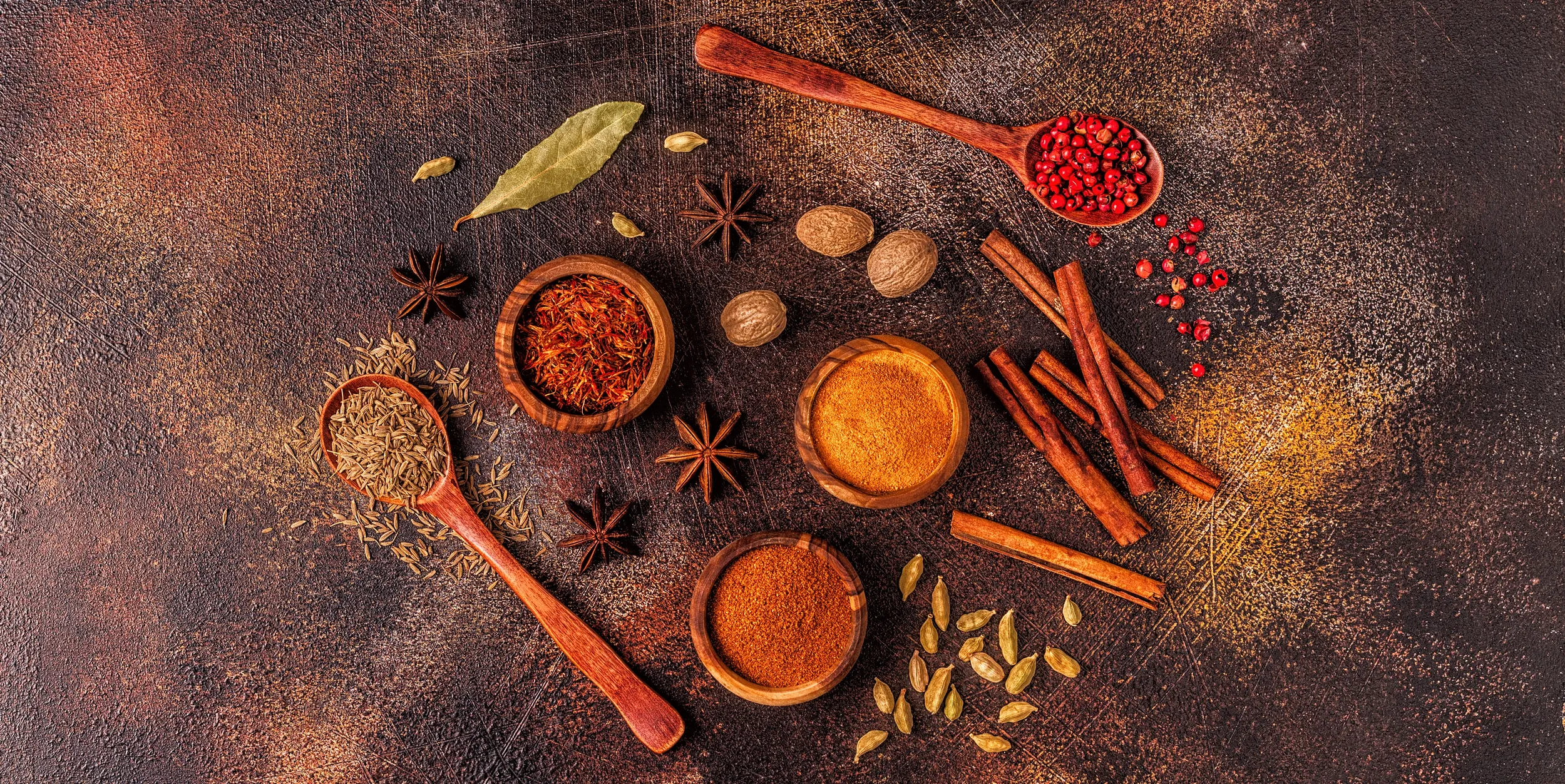
Herbs and spices are some of the most underestimated tools in nutritional psychiatry. In addition to enhancing flavor, they are concentrated botanical substances containing antioxidants, anti-inflammatory compounds, volatile oils, and phytonutrients that influence digestion, circulation, immune balance, metabolic regulation, and even neurotransmitter activity.
Unlike supplements, which are often taken in isolated and therapeutic doses, culinary spices are consumed in small, repeated amounts. This pattern of daily exposure may gently shape the internal environment in which mental health either stabilizes or becomes more vulnerable. Chronic low-grade inflammation, oxidative stress, blood sugar instability, and gut dysfunction are increasingly linked to depression, anxiety, and cognitive decline. Many culinary herbs directly interact with these pathways.
Cooking with intention reconnects us to an older understanding of food, not as a quick intervention, but as daily terrain-building support for the brain and nervous system.
Fresh herbs such as basil, dill, cilantro, and rosemary can be chopped and frozen in olive oil or blended into pesto to preserve their active compounds. Dried spices like cinnamon, cardamom, and turmeric should be stored in airtight containers away from light and heat to maintain potency. When herbs are integrated into meal planning rather than used occasionally, their benefits accumulate over time.
Ginger: Gut Support for Mood Regulation
Ginger, particularly in its fresh rhizome form, offers powerful digestive and anti-inflammatory properties. It reduces nausea, intestinal gas, and digestive sluggishness—concerns that are often overlooked but deeply connected to emotional regulation through the gut–brain axis.
A well-functioning digestive system supports nutrient absorption, microbial balance, and immune modulation. When gut irritation decreases, systemic inflammation may also decline, indirectly supporting mood stability. Ginger can be grated into soups and stir-fries, steeped into tea, blended into smoothies, or added to broths. Used consistently, it provides gentle but meaningful support for metabolic and gastrointestinal balance.
Saffron: Subtle but Meaningful Mood Support
Saffron is one of the few culinary spices with substantial research examining its effects on mood. Even though only a few threads are used in cooking, saffron contains bioactive compounds that influence serotonin and other neurotransmitter systems.
Clinical trials have used standardized extracts at therapeutic doses to support mild to moderate depression and anxiety. Culinary amounts are smaller, but regular use still contributes antioxidant and neuroprotective compounds that support emotional resilience. Adding saffron to rice, teas, or broths not only enhances color and aroma but also introduces compounds that have measurable psychophysiological effects.
Its presence in the kitchen is a reminder that food-based interventions do not need to be dramatic to be meaningful.
Turmeric: Anti-Inflammatory Protection for the Brain
Turmeric contains curcumin, a compound widely studied for its anti-inflammatory and antioxidant properties. It is a natural Cox-2 inhibitor. Inflammation is now recognized as a contributor to mood disorders, cognitive decline, and neurodegenerative processes. By helping modulate inflammatory signaling, turmeric may support a more stable neurological environment.
For optimal absorption, turmeric should be combined with black pepper (which contains piperine) and a fat source such as olive oil or coconut milk. Without these, its bioavailability is significantly reduced. Golden milk, curries, soups, lentil dishes, and roasted vegetables provide easy ways to incorporate it regularly.
Culinary turmeric is not a replacement for high-dose supplementation used in research settings, but it forms part of a broader anti-inflammatory dietary pattern that supports long-term brain health.
Inflammation-Fighting Golden Turmeric Smoothie
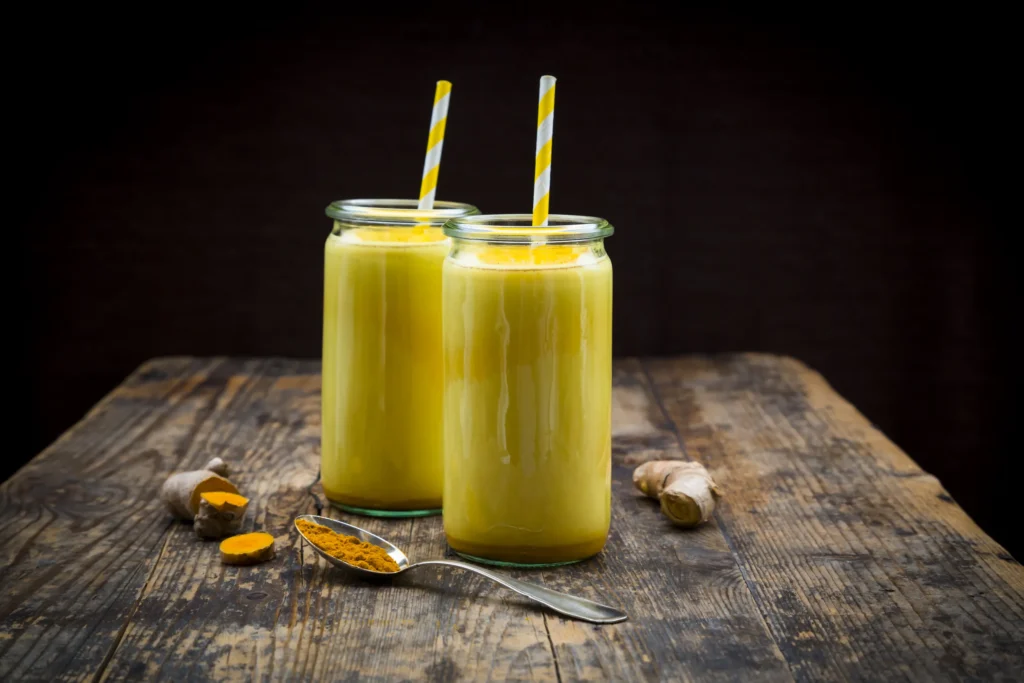
A simple recipe that combines turmeric with healthy fats and black pepper to enhance curcumin absorption while supporting an anti-inflammatory diet.
Ingredients
- 3–4 ice cubes
- 1 cup unsweetened, plain coconut milk (or almond, hemp, or rice milk)
- ½ teaspoon organic turmeric powder
- 1 teaspoon organic extra-virgin, cold-pressed coconut oil
- Generous dash of vanilla extract
- Maple syrup, coconut sugar, raw honey, or stevia to taste
- Dash of freshly ground black pepper
- Dash of cinnamon, nutmeg, ground cloves, or cardamom (optional)
Directions
1. Put the ice in a blender and add the coconut milk, turmeric, coconut oil, vanilla, your sweetener of choice, and black pepper.
2. Blend on high for 10–20 seconds until smooth.
3. Pour into a tall cup, sprinkle with your favorite spices, and enjoy!
Everyday Spices That Quietly Support Mental Health
Beyond these three, many common kitchen spices contribute subtle yet meaningful benefits:
- Cinnamon helps regulate blood sugar, reducing energy crashes and mood swings driven by glycemic fluctuations.
- Rosemary may support focus and cognitive clarity through its antioxidant properties.
- Garlic contributes immune and anti-inflammatory support.
- Cardamom and cumin enhance digestion and reduce gastrointestinal discomfort.
- Cayenne improves circulation and may support pain modulation.
- Holy basil (Tulsi) is traditionally used as an adaptogen to support stress resilience.
These spices do not act in isolation. They contribute to a broader dietary pattern that reduces inflammatory load and improves metabolic stability.
The Role of Unrefined Sea Salt
Salt is often discussed only in the context of cardiovascular risk, but quality and context matter. Unrefined sea salt contains trace minerals such as magnesium, potassium, and calcium that support nerve conduction, hydration balance, and adrenal function.
Sodium itself plays an essential role in fluid balance and neuronal signaling. Inadequate intake—particularly in individuals with high stress, high sweat loss, or low blood pressure patterns—may contribute to fatigue, dizziness, and poor stress tolerance. Conversely, excessive intake can contribute to hypertension and cardiovascular strain.
The goal is not excess, but balance. Using small amounts of high-quality sea salt within a whole-food dietary pattern supports electrolyte stability without relying on processed foods that contain disproportionate sodium levels.
As with all nutritional strategies, personalization is key.
Are Culinary Amounts Enough?
A common question is whether the small amounts used in cooking truly make a difference. Research often evaluates concentrated extracts at higher doses, and culinary use alone does not replicate those protocols.
However, mental health is not built on isolated megadoses. It is shaped by cumulative, daily inputs. Spices enhance digestion, support microbial balance, improve nutrient absorption, modulate inflammatory signaling, and elevate the overall nutrient density of meals. Over months and years, these small exposures influence the biological terrain in measurable ways.
Culinary herbs and spices function as foundational support, not substitutes for therapy or medication when needed, but steady allies in long-term resilience.
Small Changes, Lasting Impact
Mental health recovery is rarely the result of one dramatic intervention. More often, it is strengthened by consistent, daily practices that support metabolic and neurological stability.
When we cook with intention—adding ginger to broth, turmeric to lentils, saffron to rice, rosemary to vegetables—we are not just seasoning food. We are influencing inflammation, digestion, circulation, electrolyte balance, and neurochemical regulation.
Sometimes the most powerful tools for brain health are already in the kitchen—waiting to be used consistently and with purpose.
These principles are part of a larger conversation about how nutrition shapes mental health at its foundation. In Nutrition Essentials for Mental Health, I explore in depth the relationship between what we eat and how our bodies and brains function, addressing prevention and treatment from a metabolic, neurological, and integrative perspective.
Understanding food as daily brain medicine is not about replacing other treatments. It is about strengthening the biological terrain so that every intervention—psychological, nutritional, or medical—works more effectively and sustainably.
Small choices, repeated daily, create lasting change.

She served as a Fulbright scholar on traditional medicine, a Clinical Fellow at Harvard Medical School, and a National Institutes of Health-funded research scientist in mind/body medicine.
- Integrative Energy Therapies for Trauma and Nervous System Healing - March 16, 2026
- Cooking with Spices and Herbs for Mental Health - March 6, 2026
- How Medications Affect Nutritional Status and Why It Matters for Mental Health - February 27, 2026

Are You Ready to Advance Your Career?
If you want to advance your career in integrative medicine, explore my courses and certifications.