
Professional Certification
Psychedelic Medicine and Altered States of Consciousness

FRAMEWORK FOR UNDERSTANDING ALTERED CONSCIOUSNESS
CLINICAL APPLICATIONS OF PSYCHEDELIC MEDICINES
Clinical Applications of Altered States of Consciousness, Psychedelic Medicines, Entheogens, Psychoactive Plants, Trauma, Neuroscience, and Indigenous Knowledge
As interest in psychedelic medicine expands, most healthcare professionals face growing client questions without formal training in altered states of consciousness. Grounded in over five decades of research and practice, this Professional Certification bridges that gap by integrating neuroscience, psychopharmacology, functional medicine, Indigenous wisdom, and consciousness studies into a comprehensive clinical framework.
Participants build practical skills in clinical assessment, safety, contraindications, medication interactions, and integration across both spontaneous and induced altered states. Whether supporting clients through ketamine therapy, challenging experiences, or general inquiries, this program prepares clinicians to respond with confidence, clinical sophistication, cultural humility, and sound professional judgment.
By the completion of this Professional Certification, you’ll possess a practical framework for understanding Altered States of Consciousness within the broader landscape of altered states of consciousness. You’ll be prepared to critically evaluate emerging research, answer complex clinical questions, recognize opportunities and contraindications, reduce risk, and provide thoughtful, individualized care across diverse healthcare settings.
Help your clients navigate psychedelic medicine and altered states with this comprehensive clinical framework.
PRACTICAL SKILLS AND KNOWLEDGE DEVELOPED IN THIS CERTIFICATION

Develop Clinical Competence in Psychedelic Medicine
Move beyond individual medicines by learning to assess the whole person, identifying when psychedelic approaches are appropriate and when alternative interventions offer greater benefit. You’ll integrate biological, psychological, developmental, cultural, spiritual, and environmental factors to guide nuanced, holistic clinical decision-making.

Conduct Comprehensive Clinical Assessments
Learn to evaluate client readiness using structured assessment tools while identifying medical, psychiatric, developmental, and trauma-related contraindications. You’ll master differentiating nonordinary states—such as dissociation, psychosis, spiritual emergence, and exceptional human experiences—allowing you to confidently determine when stabilization, consultation, referral, or alternative interventions are indicated.
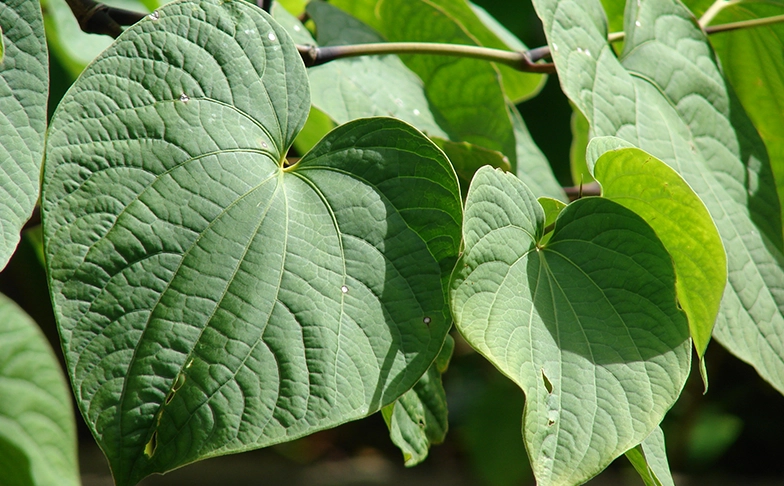
Understand Psychedelic & Psychoactive Plants
Compare the pharmacology, therapeutic applications, and risks of diverse substances, including psilocybin, ketamine, MDMA, ayahuasca, cannabis, and traditional botanicals. The curriculum explores how these agents influence perception, cognition, neuroplasticity, and consciousness, preparing you to critically evaluate emerging research alongside its practical strengths and limitations.
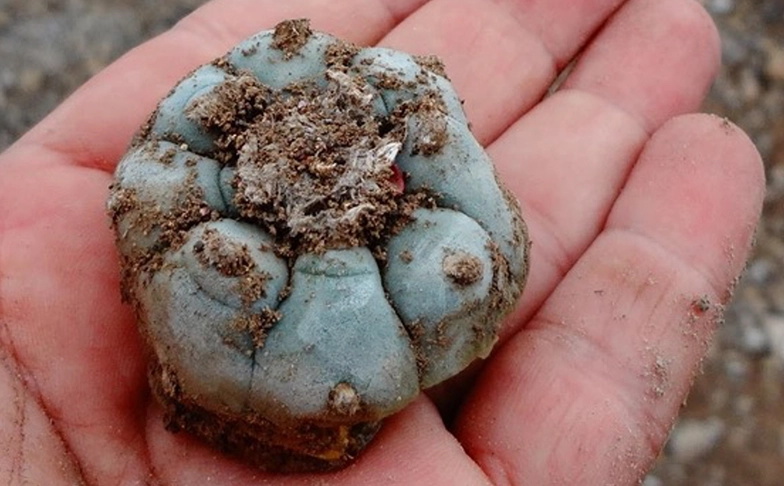
Apply Precision Medicine to Psychedelic Care
Learn to interpret pharmacogenomic findings and identify clinically significant interactions involving medications, supplements, and nutrients. You’ll gain insight into how genetics, metabolic function, inflammation, and the microbiome influence treatment responses, allowing you to apply functional and integrative medicine principles to optimize client preparation, recovery, and long-term resilience.
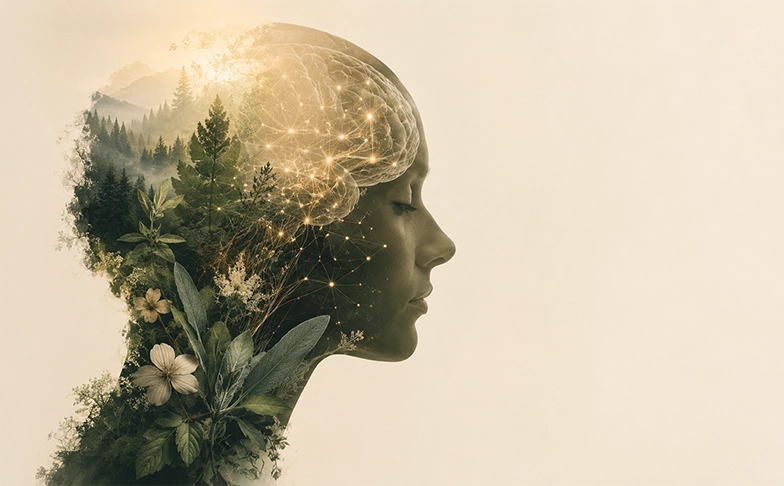
Understand Altered States of Consciousness
Examine the neuroscience and psychology of altered states across cultures, exploring modalities like meditation, breathwork, ritual, and trance. You’ll learn to evaluate nonordinary, transpersonal, and anomalous experiences through clinical and cross-cultural lenses—building confidence to effectively assess and navigate phenomena rarely addressed in traditional clinical training.

Practice Ethically Across Healthcare Settings
Integrate trauma-informed, evidence-based care with key ethical practices, including harm reduction, scope of practice, and boundary maintenance. By examining Indigenous healing traditions with cultural humility, you’ll enhance your ability to guide clients through complex psychological landscapes with compassion, clinical integrity, and sound judgment.
Your Clients Are Already Asking About Psychedelic Medicine and Entheogens
Across healthcare disciplines, conversations about psychedelic medicine and altered states are now part of everyday clinical practice. As mainstream interest accelerates, clinicians face complex client questions despite receiving little formal training:
- Should I try psilocybin for depression?
- Is ketamine safer than antidepressants?
- Can I take MDMA while taking an SSRI?
- Is microdosing effective?
- Should I attend an ayahuasca retreat?
- What are the risks of ibogaine?
- Can cannabis help with PTSD, pain, or anxiety?
- How do psychedelics interact with my medications?
- Why did I have a frightening psychedelic experience?
- How do I integrate what happened during my journey?
Whether clients are seeking pre-treatment guidance, managing medication interactions, or integrating challenging experiences, this Professional Certification bridges that educational gap. You will learn to evaluate research, assess contraindications, reduce risk, and deliver whole-person care—addressing physical, mental, emotional, and spiritual needs with clinical confidence.
Try Before You Buy
See if this certification program is the right fit for you. Click the button to start your first lesson.
No credit card required. It’s 100% on me!
Professional Certification Includes
- Approximately 40 hours of self-paced instruction
- Downloadable reading, handouts, assessments, decision-support tools, and patient resources
- Curriculum integrating contemporary scientific research, clinical practice, and cross-cultural scholarship
- On-demand access
- Human-reviewed closed captions*
- Certificate of Completion

*Accessibility: All course videos include human-reviewed closed captions for accuracy, supporting Deaf and hard-of-hearing learners and flexible learning with or without audio.

"I have just completed the Mental Health Disorders certification course. Wow. Your work and teaching are exquisite, so deeply resonant with my sensibilities and interests. I'm so grateful to have come upon you on my path!”
Nadine Laughlin, APRN

"I am fascinated and inspired by your work.”
Alycia Burant, MA, LPC

"I recently completed your nutritional and integrative medicine for mental health professionals course. I absolutely loved it and am hoping to learn a lot more!"
Donya Muse, LPC

“When Dr. Korn talks, I listen. When she writes, I read.”
Jeremy Lotz, MA, LPC, NCC

“A wealth of knowledge applicable to my practice.”
Kristan Weisdack, MEd, LBS, CIMI, CMHIMP

“This was a valuable introduction for occupational therapists.”
Dr. Muzna Ahmed, OTD, OTR/L
“I am proud to have just finished your certification course on nutrition and integrative medicine.”
Dr. Lori Baudino, BC-DMT

“Your wisdom is so helpful as I work with clients."
Lisa Bartelheim, MA, LMHC, CADAC II, QPR

“I’m very inspired and excited and grateful."
Michele Ferraro, PsyD, MBA
“I cannot even put into words how appreciative I am for this program.”
Rob Wheeler, MA, LMHC
“I am loving every minute of this certification course.”
Gretchen Mead, LICSW

“Your training has given me hope and inspires me.”
Ericka Juarez, PhD

"Dr. Korn’s class took my clinical practice to another level.”
Jill Charney, MSW, LICSW

"I thoroughly enjoyed Dr. Korn’s presentation, finding it rich with information, and she, herself; absolutely delightful to listen to. Her extensive knowledge, spanning diverse areas, is offered in an impressively warm and inviting format."
Elizabeth Bergstrom, PhD, LMHC
”This knowledge has changed my life and how I now offer an integrative approach to my clients.”
Lynette Thorlakson, MFT
"The content and your teaching style helped keep me motivated and hopeful for the type of clinician I have always wanted to become.”
Dr. Dara Goldberg

"Dr. Korn’s course on Nutrition and Integrative Medicine and Mental Health Disorders is the most comprehensive program I have taken on this subject. It provides a strong foundation and tools for practice. It’s an excellent program!"
Rebecca Faulkner, MSN, PMHNP-BC, RD

"I love the work of Leslie Korn! It broke my brain! This course opened up my mind to new information that changed my life, my family’s life and allowed me to enhance the life of so many clients."
Allison Huffman, LMFT
Why This Professional Certification Is Different
Most professional education in psychedelic medicine focuses only on psychedelic-assisted therapy or the pharmacology of individual medicines. While we address all of that, we also address the essential context of strengthening existential purpose, meaning, and transpersonal connections.
This Professional Certification places psychedelic medicines within the broader landscape of altered states of consciousness. Changes in perception, awareness, emotion, memory, identity, and meaning arise through biological, psychological, developmental, cultural, spiritual, and environmental pathways. Understanding these experiences requires an integrative clinical perspective that extends across disciplines and healthcare settings.
A central question guiding this Professional Certification is:
What is the most appropriate intervention for this individual, at this time, under these circumstances?
Answering that question calls for a systems-based framework that integrates neuroscience, psychedelic science, psychopharmacology, medicine, nursing, psychology, counseling, trauma science, Indigenous knowledge, and cross-cultural scholarship.
Throughout this Professional Certification, you’ll examine altered states of consciousness through multiple complementary perspectives, including:
- Psychedelic medicines and psychedelic-assisted care
- Trauma, dissociation, and exceptional human experiences
- Meditation, contemplative practices, and breathwork
- Hypnosis, trance states, ritual, and ceremony
- Dreams, oneirogenic states, and imaginal experience
- Spiritual emergence and spiritual crisis
- Anomalous experiences, intuition, telepathy, and nonordinary cognition
- Cannabis and other psychoactive plants, including kava, kratom, and ceremonial tobacco
- Indigenous knowledge and cross-cultural perspectives on consciousness, health, and healing
- Neuroscience, psychopharmacology, precision medicine, and pharmacogenomics
- Nutrition, functional medicine, inflammation, and the microbiome
- Ethics, cultural humility, harm reduction, and professional practice
You’ll learn to distinguish healthy nonordinary experiences from psychiatric disorders, recognize when altered states reflect underlying medical, neurological, psychological, developmental, or substance-related conditions, and determine when additional assessment, consultation, referral, or intervention is appropriate.
This Professional Certification develops the clinical reasoning needed to evaluate psychedelic medicines within the broader context of biology, relationships, culture, environment, spirituality, and lived experience. The emphasis is on comprehensive assessment, individualized care, interdisciplinary collaboration, and thoughtful clinical decision-making that integrates current scientific research, professional judgment, and cultural understanding.
Whether you prescribe medications, provide psychotherapy, deliver nursing care, educate patients, support recovery, conduct assessments, or coordinate interdisciplinary care, the knowledge and skills developed throughout this Professional Certification strengthen your ability to respond safely, ethically, and confidently to the expanding role of psychedelic medicines and altered states of consciousness in contemporary healthcare.
“There are no universally appropriate interventions. Clinical judgment begins with understanding the individual, not the medicine.”
What’s My Investment
COURSE & CERTIFICATION
$299
$1279
Join the 40,000+ professionals who completed Dr. Korn’s certification programs
I’VE BEEN FEATURED, INTERVIEWED, OR PROFILED IN:







The Experience Behind This Professional Certification
This Professional Certification reflects more than five decades of clinical practice, scientific research, cross-cultural scholarship, and direct engagement with altered states of consciousness.
My journey began in 1973 while living and working in Indigenous communities in rural Mexico, where I first encountered traditional healing practices that profoundly shaped my understanding of consciousness, healing, resilience, and human transformation. Those early experiences inspired a lifelong exploration that has continued through clinical practice, research, teaching, and advanced study in psychology, public health, trauma, neuroscience, ethnobotany, nutrition, functional medicine, and cross-cultural psychology.
Over the course of my career, I have had the privilege of caring for thousands of individuals from diverse cultural and clinical backgrounds. Some experienced profound healing through conventional and somatic psychotherapies, psychedelic medicines, psychoactive plants, ceremony, contemplative practices, and other pathways to altered states of consciousness. Others sought care after experiencing psychological, medical, ethical, or spiritual harm resulting from inadequate screening, insufficient preparation, unsafe practices, exploitation, or limited integration support.
These experiences reinforced a principle that continues to guide my work: there are no universally appropriate interventions. Clinical outcomes are shaped by the individual, the therapeutic relationship, comprehensive assessment, preparation, cultural context, quality of care, and thoughtful integration.
I created this Professional Certification to help healthcare professionals develop that level of clinical judgment. It integrates contemporary neuroscience, psychedelic science, psychopharmacology, pharmacogenomics, trauma treatment, nutrition, functional medicine, Indigenous knowledge, and cross-cultural scholarship into a practical framework for clinical decision-making.
This Professional Certification is designed to help you develop the knowledge, clinical reasoning, and professional judgment to evaluate opportunities, recognize limitations and contraindications, reduce risk, and support patients and clients with competence, cultural humility, and compassion. It integrates contemporary neuroscience, psychedelic science, psychopharmacology, pharmacogenomics, trauma treatment, nutrition, functional medicine, Indigenous knowledge, and cross-cultural scholarship into a practical framework for individualized clinical decision-making.
Your Instructor
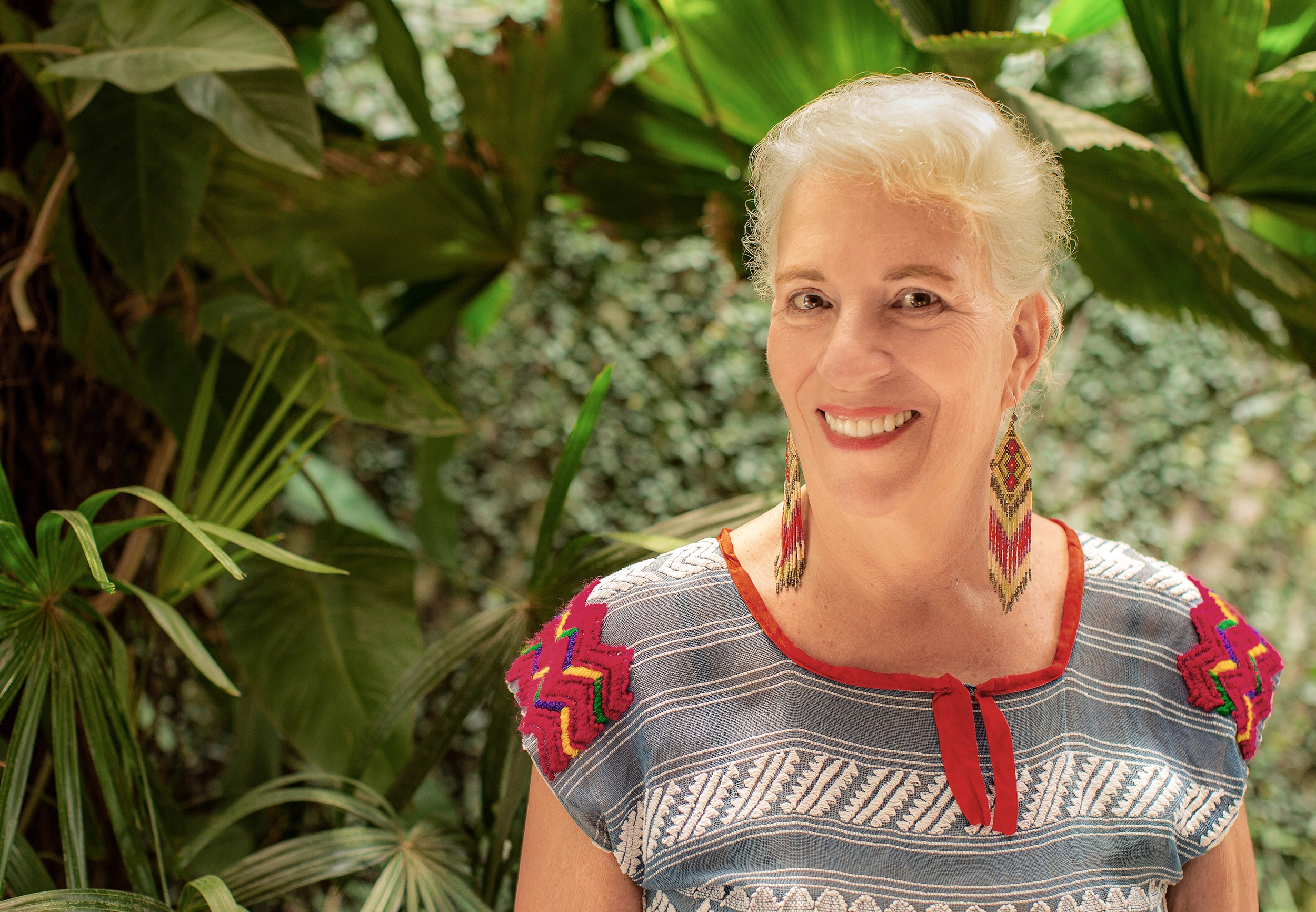
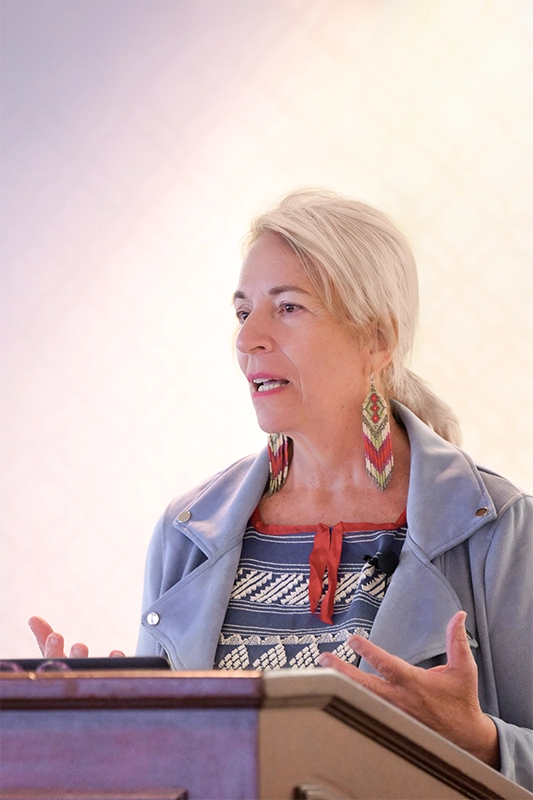
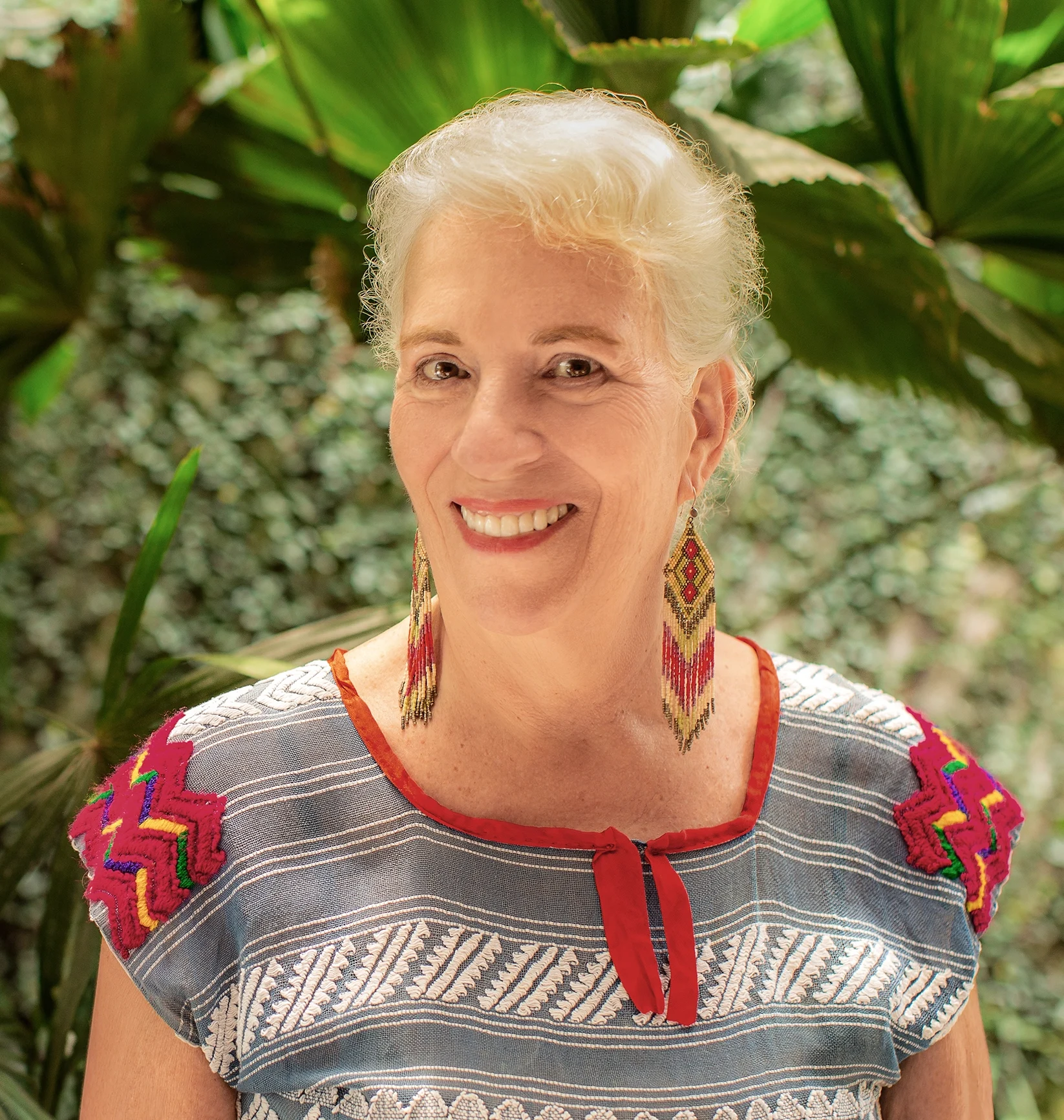
Dr. Leslie Korn is a licensed psychotherapist, scientist, educator, and author whose work has focused on integrative medicine for mental health, trauma treatment, nutrition, functional medicine, ethnobotany, Indigenous healing traditions, and altered states of consciousness for more than five decades.
In 1983, she introduced somatic therapy for trauma at Cambridge Hospital/Harvard Medical School, where she taught healthcare professionals and trainees.
She earned a Master of Arts in Cross-Cultural Psychology and Education at Lesley University, a Master of Public Health from the Harvard School of Public Health, and a Ph.D. in Behavioral Medicine from Union Institute and University. She completed a Clinical Fellowship in Psychology and Religion at Harvard Medical School, where she served as an instructor and clinical supervisor. She is certified in Functional Nutrition, The Bredesen Method, Polarity therapy, therapeutic massage, and bodywork, and completed a 45-year-long clinical practice in somatic psychotherapy and post-trauma therapy and now works exclusively with clients on mental health nutrition and tapering pharmaceutical medications. She is an NIH-funded scientist in mind-body medicine, a Fulbright Scholar in ethnobotany in Mexico, and the author of 10 books.
Leslie founded the Center for Traditional Medicine in 1977 and has served as Director of Research for the Center for World Indigenous Studies, an Indigenous-directed nonprofit organization dedicated to advancing Indigenous knowledge, research, education, and self-determination since 1996.
Leslie is a documentarian who has made 4 award -winning films. She divides her time between Mexico and the United States and enjoys cooking, spending time with her dogs, and doing the plank (sort of).
Frequently Asked Questions
Most psychedelic medicine programs focus primarily on psychedelic-assisted therapy or individual medicines. This Professional Certification examines psychedelic medicines within the broader landscape of altered states of consciousness while integrating neuroscience, psychopharmacology, pharmacogenomics, trauma, psychoactive plants, Indigenous knowledge, nutrition, functional medicine, ethics, and clinical decision-making through the Clinical Consciousness Studies™ Framework.
This certification is designed for psychiatrists, physicians, psychologists, nurses, nurse practitioners, physician assistants, pharmacists, counselors, marriage and family therapists, clinical social workers, addiction professionals, trauma therapists, integrative and functional medicine practitioners, and other licensed healthcare professionals interested in psychedelic medicine, psychoactive plants, and altered states of consciousness.
No. Prior personal or professional experience with psychedelic medicines is not required. The curriculum begins with foundational concepts and progressively develops advanced clinical knowledge.
Yes. The certification examines psychedelic-assisted therapy, including current research, therapeutic models, patient selection, preparation, dosing considerations, integration, safety, ethics, and clinical applications. It does not provide the supervised clinical training, licensure, or legal authorization required to independently practice psychedelic-assisted therapy where additional regulation applies.
Yes. The curriculum examines ketamine pharmacology, mechanisms of action, clinical applications, patient selection, contraindications, medication interactions, adverse effects, preparation, integration, and its evolving role in mental healthcare.
Yes. Topics include MDMA pharmacology, mechanisms of action, therapeutic applications, current clinical research, preparation, safety, contraindications, medication interactions, and the evolving regulatory landscape.
Yes. Psilocybin is discussed extensively throughout the certification, including neuroscience, pharmacology, therapeutic applications, preparation, integration, contraindications, medication interactions, safety, and current clinical research.
Yes. The curriculum includes the endocannabinoid system, cannabinoids, therapeutic applications, pharmacology, risks, safety, medication interactions, dosing considerations, and current evidence supporting medical cannabis.
Yes. The curriculum integrates contemporary scientific research, neuroscience, psychopharmacology, pharmacogenomics, precision medicine, nutrition, functional medicine, clinical practice, Indigenous knowledge, and cross-cultural scholarship while encouraging critical evaluation of emerging evidence.
Yes. Indigenous knowledge is integrated throughout the curriculum. Topics include ethnobotany, traditional healing systems, ceremony, Indigenous knowledge, cultural humility, Indigenous rights, ethical engagement, and cross-cultural approaches to consciousness, health, and healing.
Yes. The curriculum provides one of the most comprehensive introductions to pharmacogenomics available in psychedelic education. You’ll learn how genetic variation influences medication metabolism, psychedelic response, adverse effects, drug interactions, individualized treatment planning, and precision medicine.
The Professional Certification is self-paced and requires approximately 40 hours to complete. Participants may progress at their own pace and receive lifetime access to all course materials.
Yes. Psychiatrists will deepen their understanding of psychedelic medicine, psychopharmacology, pharmacogenomics, clinical assessment, therapeutics, ethics, and emerging clinical research.
Yes. Psychologists will develop advanced knowledge of assessment, preparation, integration, trauma-responsive care, differential diagnosis, altered states of consciousness, and ethical clinical practice.
Yes. Nurses and nurse practitioners will strengthen their knowledge of psychedelic medicine, patient assessment, medication management, pharmacology, patient education, preparation, integration, safety, and collaborative interdisciplinary care.
Yes. Counselors, marriage and family therapists, clinical social workers, addiction professionals, and other mental health clinicians will develop practical skills in assessment, preparation, integration, harm reduction, trauma-responsive care, differential diagnosis, and supporting individuals experiencing altered states of consciousness.
Yes. The knowledge and clinical skills developed in this certification are applicable regardless of local laws or regulations. Participants learn to educate patients and clients, conduct assessments, support integration, reduce harm, recognize contraindications, and understand the evolving scientific, clinical, and regulatory landscape.
Absolutely. Many healthcare professionals enroll to better understand clients who have used psychedelic medicines, experienced spontaneous altered states of consciousness, or are considering psychedelic therapies. The curriculum is equally relevant to psychiatry, psychology, nursing, primary care, addiction treatment, integrative medicine, patient education, consultation, clinical supervision, and interdisciplinary healthcare.
Yes. Enrollment includes lifetime access to all course materials, allowing you to revisit the curriculum whenever you wish. Updates and additions will be available according to the course update policy.
Yes. The curriculum examines the evolving legal, regulatory, and ethical landscape of psychedelic medicine, including federal and state developments, emerging clinical models, harm reduction, scope of practice, and professional responsibilities. Rather than focusing on a single regulatory environment, you’ll develop a framework for critically evaluating new research, policy changes, and clinical standards as the field continues to evolve.
No. Most healthcare professionals who complete this certification do not prescribe psychedelic medicines or provide psychedelic-assisted therapy. The curriculum is designed for clinicians who assess patients, provide psychotherapy or counseling, deliver nursing care, educate patients, coordinate care, support integration, practice harm reduction, or simply want a deeper understanding of psychedelic medicines and altered states of consciousness. The knowledge applies across a wide range of healthcare settings and professional roles.
The curriculum examines classic psychedelics and other psychoactive plants from clinical, cultural, historical, and scientific perspectives. Topics include psilocybin mushrooms, ayahuasca, DMT, 5-MeO-DMT, peyote, San Pedro, iboga and ibogaine, cannabis, kava, kratom, ceremonial tobacco, Amanita muscaria, and Salvia divinorum. Participants explore traditional uses, pharmacology, mechanisms of action, therapeutic applications, safety considerations, contraindications, medication interactions, and the current state of scientific research.
Yes. Participants learn to recognize, assess, and respond to adverse psychedelic experiences, including acute psychological distress, challenging psychedelic experiences, Hallucinogen Persisting Perception Disorder (HPPD), visual disturbances, dissociation, anxiety, perceptual changes, and other complications associated with altered states of consciousness. The curriculum emphasizes differential diagnosis, risk assessment, stabilization, harm reduction, appropriate referral, and evidence-based clinical management within the clinician’s scope of practice.
Yes. In addition to psychedelic medicines, this certification examines spontaneous altered states of consciousness, spiritual emergence, spiritual crisis, exceptional human experiences, dreams, meditation, breathwork, anomalous experiences, dissociation, and other nonordinary states that arise outside the use of psychoactive substances. Participants learn to distinguish normative, culturally meaningful, and potentially transformative experiences from psychiatric and neurological conditions while developing appropriate assessment, referral, and treatment strategies.
The Leslie Korn Institute For Integrative Medicine is neither a regulatory nor licensing organization and therefore not sanctioned to certify, license, or otherwise bestow the legal authorization to practice as a nutritionist, physician, or mental health professional. Certification does not warrant that a program or its examination certifies a candidate’s competence. Nothing about this program or its examination is intended to replace, override, or conflict with licensing requirements for health professionals and their requirements for practice in their state of residency and practice.