

The Importance of Protein for Mental and Physical Health
Protein is one of the most essential nutrients for overall health—yet it’s also one of the most misunderstood. Beyond building muscle, protein plays a key role in neurotransmitter production, blood sugar regulation, immune function, and tissue repair. During times of stress, illness, or emotional overwhelm, the body’s need for protein increases dramatically. Stress hormones break down muscle tissue, which means we require more dietary protein to maintain stability, energy, and emotional balance.
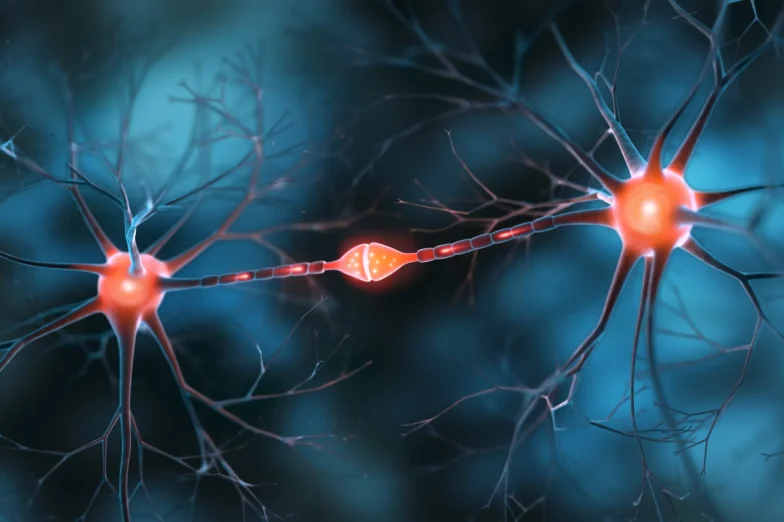
For mental health in particular, protein provides the amino acids needed to make serotonin, dopamine, GABA, norepinephrine, and the many neurotransmitters that regulate mood, focus, impulse control, and sleep. Without adequate protein—or without digesting it well—these systems weaken, leading to symptoms such as fatigue, irritability, brain fog, low mood, cravings, poor satiety, and difficulty healing.
In short: Protein is foundational. It’s not about high-protein diets, but about giving your brain and body the building blocks they need to function.
Protein Intake: How Much Do You Really Need?
Protein needs vary from person to person depending on biochemistry, activity level, stress, illness, and digestive health. A helpful general guideline is to calculate protein needs based on lean body mass: approximately 0.5 grams of protein per pound of lean (muscle) mass.
For example, a person with 20% body fat mass has 80% lean mass. So, for someone who weighs 200 pounds, the lean mass is 160 pounds. To determine the protein requirement, divide 160 by 2.2, which converts pounds to kilograms, resulting in 72.7 grams of protein.
Protein requirements increase with:
- Vigorous exercise
- Illness or recovery
- High stress
- Pregnancy or breastfeeding
Diet patterns influence protein intake
People who follow the Standard American Diet (SAD) often consume excess protein from low-quality sources, such as processed meats, refined meats, and fast food. These sources tend to be high in saturated fats, additives, and pro-inflammatory compounds, and offer fewer micronutrients—factors that can negatively affect metabolic and mental health.
On the other hand, many vegetarians and vegans struggle with insufficient protein intake or with not consuming a diverse enough combination of plant proteins to obtain all essential amino acids consistently. When amino acid intake is too low or unbalanced, the body may not produce adequate neurotransmitters such as serotonin, dopamine, and GABA, which are essential for mood regulation, focus, and emotional balance.
In both cases—excess low-quality protein or insufficient complete protein—the result can be reduced amino acid availability, inflammation, blood sugar instability, and ultimately, poorer mental health outcomes.
Animal or Plant Protein? What’s the Difference?
Animal proteins generally provide a complete amino acid profile, meaning they contain all the essential amino acids in the proportions the body needs for tissue repair and neurotransmitter production. Plant proteins, on the other hand, can be excellent sources of nutrition but are often incomplete unless combined thoughtfully. For people following vegetarian or vegan diets, inconsistent protein combining can lead to gaps in amino acid intake, which may affect neurotransmitter synthesis and overall mental health.
When thinking about protein, both quality and quantity matter. Here are approximate amounts to help guide daily intake:
- Eggs: about 6 g of protein per egg
- Milk or yogurt: 8–10 g per cup
- Beans, cottage cheese, or tofu: 12–20 g per cup (depending on type)
- Meat, poultry, or fish: 20–25 g per 3–4 oz serving
- Nuts and seeds: variable, but helpful as supportive sources
In short, animal proteins make it easier to meet complete amino acid needs, especially during periods of stress or recovery, while plant-based diets can work well with adequate variety and attention to total intake.
Protein’s Role in the Satiety Cycle
Beyond providing essential amino acids, protein also plays a key role in satiety—the feeling of fullness and satisfaction after eating. This matters especially when stabilizing blood sugar, reducing cravings, or supporting recovery from disordered eating patterns.
Protein-rich foods such as nuts, seeds, and whey, combined with vegetables like leafy greens, cruciferous vegetables, and root vegetables, help create steady and lasting satiety. This can be particularly helpful during dietary changes or for individuals experiencing hypoglycemia, compulsive eating, night eating syndrome, or bulimia.
Raw almonds, for example, are an excellent snack or a supportive food to eat at the start of a meal. Ayurveda has long recommended eating about ten raw almonds a day for brain nourishment and relaxation—a simple daily habit that aligns well with modern nutritional science and supports both mental and metabolic health.
Protein Deficiency: Causes, Digestion Issues, and Key Symptoms
While we often focus on how much protein we eat, an equally important question is whether we are actually digesting and absorbing that protein. Even with adequate intake, the body can become functionally protein-deficient if digestion is compromised. Protein must be broken down into amino acids before the body can use it, and this process depends heavily on stomach acid (hydrochloric acid). When stomach acid is low—or when antacids are used frequently—proteins are only partially digested, leading to reduced nutrient absorption and weakened satiety signals to the brain.
Certain dietary patterns can also contribute to protein insufficiency. Strict vegetarian or vegan diets that lack variety, or that do not combine plant proteins to create a complete amino acid profile, may fall short of essential amino acids. Other situations, such as bulimia, fruitarian diets, highly refined carbohydrate diets, or alcoholic liver damage, further disrupt protein availability and compromise neurotransmitter production.
Common symptoms of protein deficiency include low mental focus, mood instability, fatigue, hair loss, impaired immune function, sugar cravings, and slow wound healing—signs that the brain and body are not receiving the amino acids they need to function optimally.
A Simple, Protein-Rich Recipe to Enjoy
To help you increase your protein intake in a delicious and nourishing way, here is a quick, nutrient-dense recipe featuring hazelnuts—an excellent source of protein, minerals, and healthy fats.
Hazelnut Cakes — A Protein-Rich Dessert

Servings: 4 | Prep Time: 30 minutes
Hazelnuts provide protein, calcium, phosphorus, and potassium, making them a flavorful and nutritious addition to your diet.
Ingredients
- ¼ pound hazelnuts, finely ground
- 1 egg
- 4 drops stevia extract (Sweet Leaf)
- ¼ teaspoon vanilla extract
- 1 cup strawberries (for topping)
Directions
- Preheat the oven to 400°F.
- Mix all ingredients in a bowl to form a batter.
- Pour the batter onto a parchment-lined shallow round pan.
- Bake for 10–15 minutes, until lightly golden.
Tip: Add a splash of cool water if you prefer a thinner texture. Serve topped with fresh strawberries, raspberries, or black cherries.
Conclusion
Optimizing protein intake is not only about quantity—it’s about digestion, absorption, and choosing high-quality sources that support neurotransmitter production, metabolic balance, and mental well-being. By paying attention to how your body processes protein and incorporating nutrient-dense foods, you can meaningfully support your mood, energy, and overall health.
For a deeper exploration of protein deficiency and ways to restore optimal protein levels, learn more about my recently updated book Nutrition Essentials for Mental Health.

She served as a Fulbright scholar on traditional medicine, a Clinical Fellow at Harvard Medical School, and a National Institutes of Health-funded research scientist in mind/body medicine.
- Culture as Medicine: Why Trauma Must Be Healed in Cultural Context - March 27, 2026
- Integrative Energy Therapies for Trauma and Nervous System Healing - March 16, 2026
- Cooking with Spices and Herbs for Mental Health - March 6, 2026

Are You Ready to Advance Your Career?
If you want to advance your career in integrative medicine, explore my courses and certifications.