The Clinical Consciousness Studies™ Framework
AN ORIGINAL CLINICAL MODEL
An Integrative Framework for Psychedelic Medicine and Altered States of Consciousness
Psychedelic medicines are one pathway to altered states of consciousness. Their clinical applications are best understood within a broader framework that recognizes consciousness as a dynamic interaction of biology, psychology, relationships, culture, spirituality, environment, and lived experience.
Meaningful clinical assessment therefore extends beyond pharmacology or diagnosis. It considers the individual within the context of multiple interacting systems that influence health, healing, resilience, therapeutic response, and long-term outcomes.
Altered states do not occur in isolation
Building upon the systems-based principles of The Brainbow Blueprint®, this framework expands the clinical lens across the full spectrum of altered states of consciousness: dreams, meditation, contemplative practice, breathwork, hypnosis, trance, ritual, ceremony, exceptional human experiences, spontaneous nonordinary states, psychedelic medicines, psychoactive plants, and culturally grounded healing traditions.
It integrates contemporary neuroscience, psychedelic science, psychopharmacology, pharmacogenomics, nutrition, functional medicine, Indigenous knowledge, cross-cultural scholarship, clinical assessment, ethics, and professional practice into a unified model of clinical inquiry. Each domain contributes a distinct perspective while remaining interconnected with the others.
How do biological, psychological, developmental, relational, cultural, spiritual, and environmental factors interact to influence consciousness, health, healing, resilience, and therapeutic outcomes?
Nine interconnected domains, one integrated clinical model
Clinical Consciousness Studies™ is not a single theory of psychedelics. It is a nine-domain model for understanding altered states of consciousness in clinical care.
The Person / Community
The whole person within family, community, culture, relationships, biology, development, trauma, genetics, nutrition, spirituality, resilience, and lived experience.
Altered States of Consciousness
Dreams, meditation, prayer, breathwork, flow, hypnosis, trance, dissociation, mystical experience, spiritual emergence, and exceptional human experiences.
Psychedelic Medicines, Entheogens & Psychoactive Plants
Psilocybin, LSD, DMT, ayahuasca, mescaline, MDMA, ketamine, ibogaine, cannabis, kava, kratom, and ceremonial tobacco—applications, mechanisms, safety, and interactions.
Indigenous Healing & Cultural Context
Indigenous knowledge, ethnobotany, ceremony, cultural humility, Indigenous rights, and decolonizing perspectives that situate healing in culture—not as decoration, but as clinical substance.
Neuroscience, Pharmacology & Precision Medicine
Genetics, metabolism, neuroplasticity, inflammation, nutrition, and the microbiome as they inform individualized assessment, preparation, treatment, and recovery.
Ritual, Ceremony & Meaning-Making
Preparation, intention, ritual, set and setting, integration, symbolism, and the humanistic and transpersonal dimensions of therapeutic context.
Clinical Assessment & Decision-Making
Readiness, medical and psychiatric evaluation, contraindications, risk, harm reduction, referral, consultation, and individualized treatment planning.
Clinical Therapeutics
Emerging applications across trauma, PTSD, depression, anxiety, OCD, substance use, chronic pain, ADHD, eating and sleep disorders, digestive illness, and end-of-life care.
Ethics & Professional Practice
Safety and professional standards, and also the relationships, cultural contexts, power dynamics, and responsibilities that shape clinical care.
Indigenous healing & cultural context
Healing is always situated in culture
Understandings of consciousness and approaches to healing are shaped by the cultural contexts in which they emerge. Recognizing these contexts supports a more nuanced approach to traditional knowledge and healing practices—one grounded in cultural humility, respect for Indigenous knowledge and rights, and awareness of the distinct histories, values, and traditions that inform health and healing.
Neuroscience, pharmacology & meaning
Understanding what shapes therapeutic response
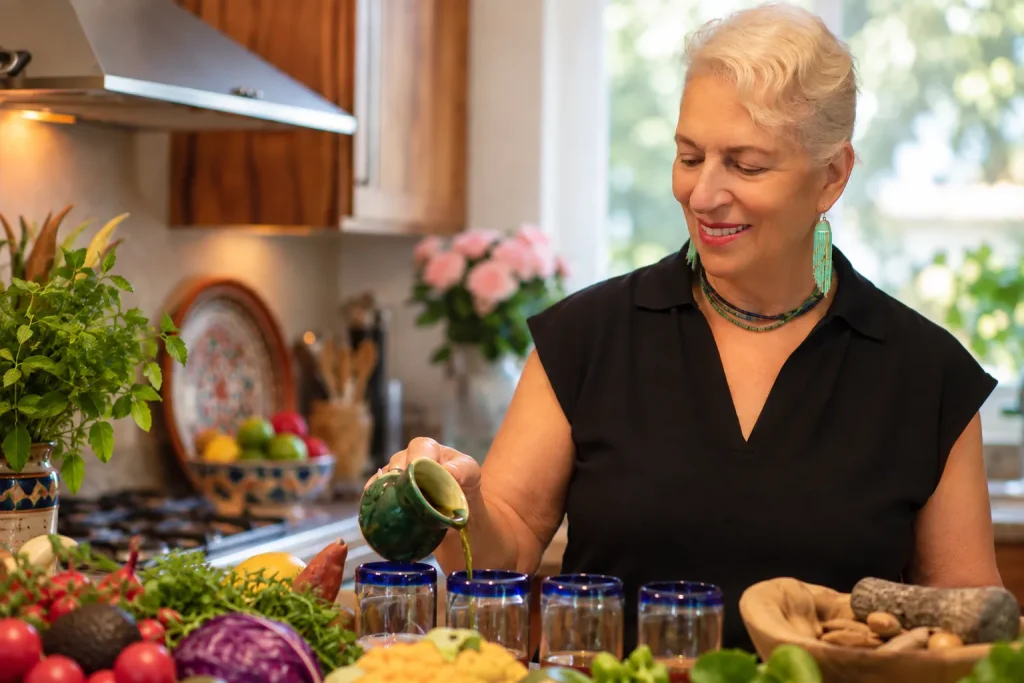
Biological and physiological factors—genetics, metabolism, neuroplasticity, inflammation, nutritional status—help explain why individuals respond differently to psychedelic medicines and other altered states. These insights support more individualized approaches to assessment, preparation, treatment, and recovery.
Therapeutic response is never only biological. Individual physiology interacts with preparation, context, intention, meaning, and lived experience. Care that considers both the person and the conditions in which transformation takes place is more complete than care that isolates a molecule from its setting.
Clinical assessment & decision-making
From readiness assessment to individualized treatment
Clinical decision-making requires attention to the multiple factors that influence readiness, safety, and therapeutic response. A systematic assessment helps clinicians identify risks and contraindications while considering the biological, psychological, relational, cultural, and environmental factors relevant to each individual.
This process provides a foundation for individualized treatment planning, appropriate referral and consultation, and informed decisions about the role of altered states of consciousness within a broader approach to care.
Clinical therapeutics
From emerging research to clinical care
Clinical therapeutics brings psychedelic medicines, psychoactive plants, psychotherapeutic approaches, counseling, coaching, nursing care, patient education, and medical management into the context of individualized, interdisciplinary care.
As research and practice continue to evolve, therapeutic applications require careful consideration of the person, the intervention, the clinical setting, and the broader systems that influence treatment and recovery—for trauma, PTSD, depression, anxiety, OCD, substance use disorders, chronic pain, ADHD, eating disorders, sleep and digestive disorders, end-of-life care, and other emerging areas of healthcare.
Ethics & professional practice
Ethics are integral to clinical practice
Ethical practice is the foundation for responsible clinical work with altered states of consciousness. It requires attention not only to safety and professional standards, but also to the relationships, cultural contexts, power dynamics, and responsibilities that shape clinical care.
- Informed consent
- Professional boundaries
- Legal and regulatory awareness
- Documentation
- Harm reduction
- Interdisciplinary collaboration
- Cultural humility
- Reflective practice
- Respect for professional scope of practice
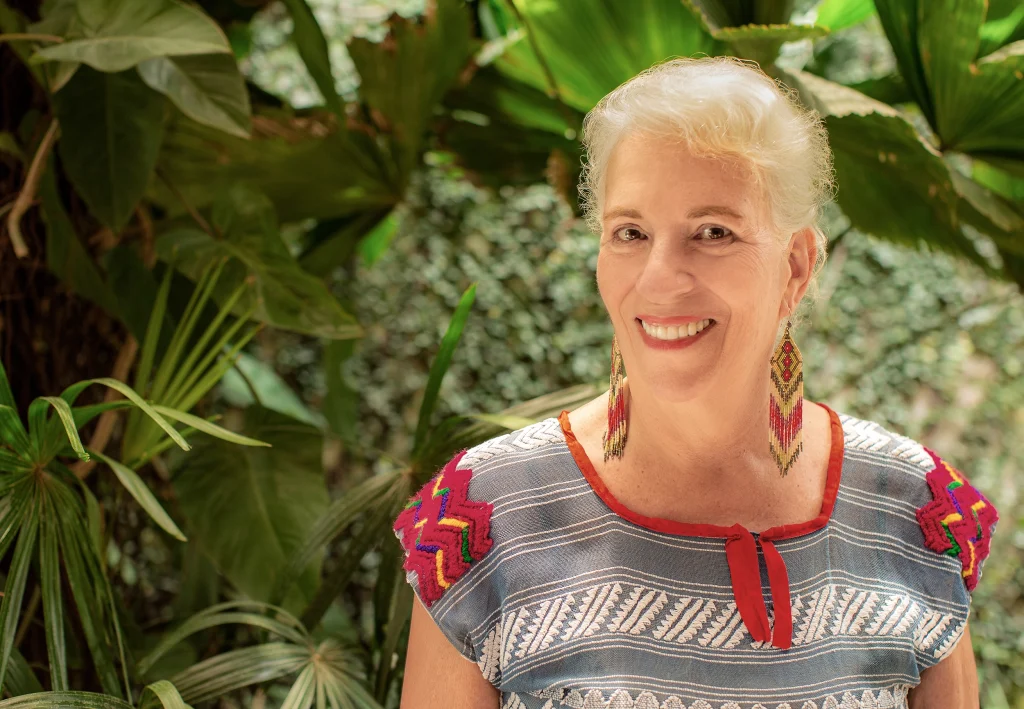
Developed by Leslie Korn, PhD, MPH
This framework arose from decades of clinical practice, field research, and teaching at the intersection of integrative medicine, nutrition, Indigenous knowledge, and psychedelic medicine. It is designed as an original intellectual and clinical model—not a course outline, and not a single-modality protocol.
Together, the nine domains provide a comprehensive foundation for integrating scientific knowledge, clinical reasoning, Indigenous knowledge, and ethical practice into compassionate, person-centered healthcare.
Apply the framework
Explore this model in your clinical practice
Deepen your understanding of the Clinical Consciousness Studies™ Framework and learn how to apply its principles to psychedelic medicine and altered states of consciousness through the professional certification, Psychedelic Medicine and Altered States of Consciousness.