
Affordable food strategies, traditional recipes, and practical tools for mental health clinicians and their clients
Although I am a recovered vegetarian (yes, I was a happy vegetarian for 27 years and even taught vegetarian cooking!), I still make plenty of my favorite vegetarian recipes. One of them is my oatmeal burger.
I love a good burger on a bun with ketchup, mustard, lettuce, and plenty of onions. And my oatmeal burger is no exception. It’s inexpensive, satisfying, nutritious, and easy to make. I’ll share my oatmeal burger recipe further down, along with other affordable, nutrient-rich foods and simple recipes you can recommend to your clients.
People Can’t Afford Health Food
One of the most common things I hear from clients and clinicians is, “People can’t afford to eat healthy food.” Certainly, rising food prices are a real concern, but some of the most nutrient-dense foods are also among the least expensive. Oats, beans, lentils, cabbage, carrots, sweet potatoes, and root vegetables such as beets, turnips, parsnips, and rutabagas, along with onions, garlic, and eggs, can provide exceptional nutrition at a fraction of the cost of many prepared foods. I think many people have never had the opportunity to learn to cook at home. And for those who eat animal proteins, inexpensive cuts of meat, bones for nourishing broths, and organ meats such as liver offer concentrated sources of protein, collagen, iron, vitamin B12, choline, and other essential nutrients. I also use foods instead of supplements: for example, bone broth instead of collagen powder, homemade kimchi instead of expensive psychobiotics, calcium-rich greens soup instead of pills.
As clinicians, we can help clients rediscover these affordable ingredients and learn simple, satisfying ways to prepare them.
Is Healthy Eating Really More Expensive? What the Research Tells Us
The economics of healthy eating are more complicated than the familiar assumption that nutritious foods always cost more.
A 2024 Tufts University analysis examined the cost of ultra-processed and less-processed foods American adults consume. Although ultra-processed foods were generally less expensive when calculated per calorie, the researchers found important differences across food categories. Some processed animal products, dairy products, and starchy foods were more expensive than their less-processed counterparts.
In other words, the least expensive calorie is not necessarily the best nutritional bargain.
A 2025 review in the Annual Review of Resource Economics (Masters et al., 2025),examined the affordability of healthy diets and the importance of identifying low-cost food combinations that meet nutritional requirements. This distinction matters clinically. A diet built around expensive fresh salmon, specialty grains, organic berries, and packaged health foods may indeed be costly. But a diet built around oats, dried beans, lentils, root vegetables, frozen greens, eggs, canned salmon, and economical animal proteins can provide substantial nutritional value for much less.
A 2025 U.S. study (Tate et al., 2025) of household barriers to healthy eating found that food costs and taste were major concerns, while access to affordable, appealing recipes and grocery planning helped facilitate healthier food choices.
This is where we can make a difference. Rather than simply recommending a healthier diet, we can help clients identify affordable ingredients, familiar recipes, and practical preparation methods. And when I offer cooking for mental health classes, I always have a waiting list!
There are important qualifications. A 2026 study (Wang et al., 2024), examining the trade-offs among food processing, convenience, cost, and diet quality found that minimally processed menus could require greater spending and generate more food waste. Cooking also takes time and requires equipment, storage, and energy. For some clients, convenience foods aren’t a luxury but a necessity, as people often juggle 2 or 3 jobs. This is where efficient, simple preparation methods can help.
The goal, therefore, isn’t to prescribe a so-called ideal food plan that doesn’t fit your client’s lifestyle. The goal is to identify nourishing foods and preparation methods that fit the client’s current interests and circumstances and support their step-by-step approach to a new way of self nourishment.
Why Nutrition Matters in Mental Health Care
The brain requires a steady supply of nutrients to support neurotransmitter synthesis, energy metabolism, cell membrane function, and the regulation of inflammatory and oxidative processes.
Research supports the potential value of improving overall dietary quality for depression. The landmark SMILES randomized controlled trial found that a structured dietary intervention improved depressive symptoms in adults with major depression compared with a social-support control group (Jacka et al., 2017).
A 2025 systematic review and meta-analysis of dietary interventions also examined their effects on depression and anxiety, highlighting both the potential benefits and limitations of the available evidence (Abukmail et al., 2025).
Nutritional interventions are not substitutes for appropriate mental health treatment, but food is an important and often overlooked component of integrative care.
In my Brainbow Blueprint® approach, I encourage eating a variety of colorful foods to obtain the vitamins, minerals, fibers, and phytochemicals that support brain and body health. And you don’t need expensive organic berries or exotic superfoods to create a Brainbow.
The Most Nutritious Foods for the Least Money
1. Beans and lentils: Inexpensive nutritional powerhouses
Beans and lentils are among the most economical sources of protein, fiber, folate, iron, magnesium, and potassium.
Folate supports one-carbon metabolism, which is important for methylation and for synthesizing and regulating compounds involved in neurological function. Iron supports oxygen transport and numerous enzymes involved in brain metabolism. Magnesium supports hundreds of biochemical reactions, including neuronal signaling.
Legumes also provide fermentable fibers that can support beneficial gut microbial activity. Their role in a nutrient-dense dietary pattern makes them particularly useful in nutritional mental health care, although research has not established that lentils alone treat anxiety or depression.
Dried beans are usually less expensive per serving than canned beans, but canned beans are equally useful when convenience matters. Lentils are especially practical because they cook quickly and don’t require soaking.
I also keep plenty of exotic spices on hand to explore these mood boosters.
Try this: Add lentils to tomato soup, make black beans with rice, or use mashed beans as a filling for tacos and burritos.
2. Boston baked beans with blackstrap molasses
Traditional Boston baked beans (from my hometown!) are an affordable, nourishing dish made from inexpensive ingredients. They satisfy a sweet tooth, which is another reason people find it hard to give up heavily sweetened, salted fast food.
Navy beans provide fiber, plant protein, folate, magnesium, and iron. Blackstrap molasses adds iron, calcium, potassium, and magnesium, though amounts vary by brand. Molasses also adds the characteristic deep flavor of traditional baked beans.
3. Cabbage: An inexpensive food with surprising possibilities
Cabbage is one of my favorite examples of budget-friendly nutrition. A whole cabbage can provide several meals, keeps well in the refrigerator, and supplies vitamin C, vitamin K, fiber, and glucosinolates.
You can eat it raw, sauté it, add it to soups, or ferment it into sauerkraut or kimchi.
Fermented vegetables are especially interesting because of emerging research on the gut-brain connection. Fermentation changes foods’ chemical composition and can introduce live microorganisms and microbial metabolites that may influence intestinal function and immune signaling.
A 2024 Korean study examining consumption of prebiotic and probiotic foods found associations with anxiety symptom severity. Some associations differed by sex. Although observational research does not demonstrate that kimchi or sauerkraut treats anxiety or depression, it supports further investigation of fermented foods and the gut-brain relationship (Tae & Kim, 2024).
I also love making stuffed cabbage and will share that recipe in my next blog!
4. Onions and garlic: Inexpensive sulfur-containing foods
Onions and garlic are among the most useful and economical ingredients in the kitchen. Both contain organosulfur compounds studied for their antioxidant, anti-inflammatory, and cellular signaling properties.
Sulfur is important in human biochemistry, including the synthesis of glutathione, a major intracellular antioxidant involved in the body’s normal detoxification processes.
Methylation and sulfur metabolism are interconnected through the methionine and transsulfuration pathways. Garlic and onions also contain fructans, which can act as prebiotics and provide substrates for certain intestinal microorganisms. Encourage clients to use onions and garlic as the foundation of inexpensive soups, beans, lentils, vegetable dishes, and sauces. They contribute flavor and phytochemicals without requiring expensive seasonings.
5. Frozen spinach: Folate, magnesium, and lutein
Spinach provides folate, magnesium, vitamin K, and carotenoids, including lutein. Folate supports one-carbon metabolism and methylation pathways, while magnesium participates in neuronal signaling and energy metabolism. Frozen spinach is often more economical than fresh spinach because it stores well, requires little preparation, and produces less waste.
I prefer organic frozen spinach when it is affordable because spinach is among the produce items that carry a lot of pesticide residues. Organic frozen tends to run 1 USD more per bag, so your client can decide. But conventional frozen spinach remains a nutritious option.
Add frozen spinach to scrambled eggs, lentils, pasta sauces, soups, and stews.
6. Carrots, sweet potatoes, yams, and root vegetables
Carrots, orange-fleshed sweet potatoes, and certain yam varieties provide affordable sources of carbohydrates, fiber, potassium, and other nutrients. Orange-fleshed sweet potatoes are particularly rich in beta-carotene, a precursor of vitamin A.
Beets, turnips, parsnips, and rutabagas also offer fiber, minerals, and a variety of phytochemicals. These vegetables are often economical, store well, and can be roasted together or added to soups and stews.
True yams and sweet potatoes are botanically different, and their nutritional profiles vary. In many American grocery stores, products labeled “yams” are sweet potatoes.
Try this: Bake a sweet potato and top it with black beans, sautéed onions, and a spoonful of plain yogurt or even sour cream. It makes an inexpensive, colorful meal with fiber and protein.
7. Frozen berries: Colorful foods without the premium price
Blueberries, blackberries, and other deeply colored berries contain anthocyanins, a class of polyphenols researchers are studying for their effects on cognition, vascular function, inflammation, and neurological health.
A 2025 umbrella review found that anthocyanin interventions influenced several inflammatory biomarkers, including C-reactive protein, interleukin-6, and tumor necrosis factor-alpha. (Liu et al., 2025).
These findings are relevant because inflammation is one of several biological processes implicated in depression and other mental health conditions. However, studies of anthocyanin supplements or extracts cannot automatically be interpreted as evidence that eating blueberries treats depression. It’s all part of a total “ pie plate” of healthy foods behaviors and lifestyle that turns around the negative effects of lifeless processed foods
Frozen berries are often cheaper than fresh berries, especially outside their growing season. They also store well and work well in small quantities. Add them to oatmeal, yogurt, or smoothies. Even a small handful contributes color, flavor, and phytochemicals.
8. Eggs: Affordable protein and choline
Eggs provide complete protein, choline, vitamin B12, selenium, and other nutrients involved in brain function. Choline is a precursor to acetylcholine, a neurotransmitter involved in attention, learning, and memory. It also supports phospholipid synthesis and methyl-group metabolism through its metabolite, betaine.
Eggs are versatile and pair well with vegetables, beans, potatoes, or whole grains. If you are short on time, boil up a dozen at the start of the week and make an egg salad with half and then carry the rest to work or school for a snack or meal
9. Canned sardines: Omega-3 fats without expensive fresh salmon
Sardines provide EPA and DHA omega-3 fatty acids, protein, vitamin B12, and calcium when you eat the soft bones.
EPA and DHA are important components of cellular membranes and participate in inflammatory and signaling pathways. Omega-3 fatty acids have also been investigated as adjunctive interventions for depression, although findings from supplement trials do not establish equivalent treatment effects from eating sardines.
Canned sardines can provide these nutrients at a lower cost than fresh salmon.
Try them on toast with mustard and onions, or combine them with rice and vegetables.
10. Economical animal proteins: Liver, inexpensive cuts, and beef bone broth
For clients who eat animal foods, less expensive cuts of meat and organ meats can provide substantial nutritional value. Liver is particularly rich in vitamin B12, iron, choline, copper, and preformed vitamin A. These nutrients support neurological function, oxygen transport, and cellular metabolism, and liver is highly concentrated in vitamin A; portions and frequency matter, particularly during pregnancy.
Tougher cuts of meat often suit slow cooking, which can make them tender and flavorful.
Beef bones can also be an economical way to make broth rich in collagen-derived gelatin and amino acids, including glycine, proline, and hydroxyproline. Add a little apple cider vinegar to the crock pot when cooking. Glycine participates in neurotransmission and has been studied for neurological and psychiatric applications.
Slow simmering extracts gelatin from collagen-rich bones, particularly joints, knuckles, and connective tissues. The resulting broth can also provide variable amounts of minerals and other nutrients.
11. Oats: More than breakfast
Oats provide soluble fiber, complex carbohydrates, thiamin, magnesium, and some protein.
They’re inexpensive, shelf-stable, and useful in oatmeal, savory porridge, baked goods, and, of course, my oatmeal burgers.
12. Sunflower seeds and peanut butter
Sunflower seeds provide vitamin E, magnesium, unsaturated fats, and protein. Peanut butter offers protein, niacin, magnesium, and fats that help make meals satisfying.
Both are convenient, versatile foods that require little preparation.
Add sunflower seeds to oatmeal or salads, or combine peanut butter with bananas, whole-grain toast, or oatmeal.
Home Cooking: The Crock-Pot Advantage
One of the most practical ways to make nutritious food affordable is to cook at home, and a slow cooker (Crock-Pot) can be an especially valuable tool.
It lets clients prepare inexpensive ingredients such as lentils, root vegetables, onions, garlic, and economical cuts of meat with minimal hands-on time. Slow cooking tenderizes tougher cuts of meat, and a single pot of soup, stew, or chili can provide several meals.
Slow cookers also make batch cooking easier: prepare a large quantity, refrigerate portions for the next few days, and freeze the rest for later.
Home cooking also gives clients greater control over ingredients, portions, and food costs. The 2025 household barriers study discussed earlier reinforces the value of helping clients develop a small repertoire of inexpensive, appealing recipes rather than simply advising them to improve their diets.
Practical ideas for clients: Crock-Pot lentil soup with carrots and onions, beef stew with potatoes and root vegetables, black bean chili, chicken and vegetable soup, or Boston baked beans with molasses.
Putting the Brainbow on the Table Without Spending More
My Brainbow Blueprint® emphasizes eating a variety of colorful plant foods because different pigments and plant compounds contribute different nutritional properties.
Download my brainbow chart here and give it to your clients for their fridge.
Affordable Recipes to Share with Clients
My Favorite Oatmeal Burgers
These hearty vegetarian burgers combine oats, sunflower seeds, eggs, vegetables, and olive oil. They provide fiber, protein, unsaturated fats, magnesium, and several B vitamins.
At approximately 50–65 cents per burger, these homemade oatmeal burgers are an economical way to enjoy a satisfying, nutrient-rich meal. Add a bun and your favorite toppings for a delicious homemade burger for around $1–$1.50, depending on local grocery prices.
Makes 6–8 burgers
Ingredients
• 2 cups old-fashioned rolled oats
• ½ cup raw sunflower seeds, finely chopped or lightly ground
• 2 large eggs
• 1 medium onion, finely chopped
• 1 celery stalk, finely chopped
• 1 medium carrot, grated
• 2 tablespoons olive oil
• 2 tablespoons ground flaxseed
• ¼ cup water or vegetable broth, as needed
• 2 cloves garlic, minced
• 1 teaspoon dried oregano or Italian seasoning
• ½ teaspoon salt, or to taste
• Black pepper to taste
• Additional olive oil for cooking
Preparation
1. Heat the olive oil in a skillet. Add the onion, celery, carrot, and garlic and sauté until softened, approximately 5–7 minutes.
2. Combine the oats, sunflower seeds, ground flaxseed, seasonings, and cooked vegetables in a large bowl.
3. Beat the eggs and stir them into the mixture. Add a little water or broth, adding more as needed, until the mixture holds together when pressed. The mixture should be moist but not runny.
4. Let the mixture rest for 15–20 minutes so the oats and flaxseed can absorb moisture.
5. Form into 6–8 patties, pressing firmly.
6. Heat a little olive oil in a skillet over medium heat. Cook the burgers for approximately 4–5 minutes per side until golden brown and cooked through.
Serve on toasted buns with avocado mayo, tomatoes, mustard, lettuce, sliced onions, and whatever other toppings you enjoy.
Simple Boston Baked Beans
Ingredients
• 2 cups dried navy beans
• 1 medium onion, chopped
• 3 tablespoons molasses, preferably blackstrap if you enjoy its stronger flavor
• 1 tablespoon prepared mustard
• 1 tablespoon apple cider vinegar
• 1 tablespoon tomato paste
• ½ teaspoon salt, or to taste
• Water as needed
Preparation
1. Soak the beans overnight, drain, and simmer in fresh water until tender.
2. Combine the beans with the remaining ingredients and enough bean cooking liquid to keep them moist.
3. Bake covered at 300°F for approximately 2–3 hours, adding liquid as necessary, until richly flavored.
Serve with cabbage slaw, whole-grain bread, or roasted carrots and parsnips
Homemade Sauerkraut: Two Ingredients
Ingredients
• 1 medium cabbage, approximately 2–3 pounds
• Non-iodized salt equal to 2% of the shredded cabbage’s weight
For example, 1,000 grams of cabbage requires 20 grams of salt.
Preparation
1. Remove damaged outer leaves and finely shred the cabbage. (save the outer leaves for your vegetable broth)
2. Weigh the shredded cabbage and measure 2% of its weight in salt.
3. Massage the salt into the cabbage for 5–10 minutes, until it begins to release liquid.
4. Pack tightly into a clean glass jar, pressing until the cabbage is submerged beneath its own brine.
5. Place a fermentation weight over the cabbage to keep it submerged. Use a fermentation lid or airlock to let gases escape.
6. Ferment at approximately 65–72°F, generally for 1–3 weeks, keeping the cabbage beneath the brine.
7. Once pleasantly sour, refrigerate.
A three-pound cabbage costing about $2–$4, depending on local prices, can yield sauerkraut for a month and is far less expensive than many commercially prepared fermented vegetables. It’s also a fun cooking lesson for children!
Easy Homemade Kimchi
You can make kimchi with inexpensive napa cabbage or regular green cabbage, depending on local prices.
Ingredients
• 1 medium cabbage, approximately 2 pounds
• Salt equal to 2% of the total vegetable weight
• 3 cloves garlic, minced
• 1 tablespoon grated ginger
• 1–2 tablespoons Korean red pepper flakes (gochugaru)
• 2 scallions, chopped
• 1 carrot, shredded
Preparation
1. Chop the cabbage and combine with the carrot and scallions. Weigh the vegetables and add 2% salt.
2. Massage until the vegetables release moisture.
3. Mix in the garlic, ginger, and pepper flakes.
4. Pack tightly into a clean fermentation jar, keeping the vegetables submerged beneath the brine.
5. Use a fermentation weight and a lid with a vent.
6. Ferment at a cool room temperature for several days using a tested fermentation procedure, then refrigerate.
Kimchi adds flavor and variety to rice, eggs, soups, and bean dishes.
Simple Beef Bone Broth
Ingredients
• 2–3 pounds inexpensive beef soup bones, joints, or knuckles
• 1 onion, quartered
• 2 carrots, chopped
• 2 celery stalks
• 3 cloves garlic
• 1 tablespoon apple cider vinegar
• Water to cover
• Optional herbs and seasonings
Preparation
1. Place the bones in a crockpot with the vegetables, garlic, and vinegar.
2. Place on low.
3. Cook for approximately 24 hours, adding water as necessary.
4. Strain, cool promptly, and refrigerate (lifting the fat off the top and using it for cooking later) or freeze in portions.
Use the broth to prepare beans, lentils, vegetable soups, rice, and stews.
Working With Clients: Practical Strategies for Clinicians
Address food insecurity directly. When clients cannot reliably obtain enough food, the immediate priority is access to adequate nutrition, not achieving an ideal dietary pattern.
Clients living with depression, anxiety, trauma, chronic illness, or financial stress may face food obstacles that go well beyond the price of groceries. Low energy, reduced motivation, limited cooking facilities, transportation challenges, and difficulty planning meals can all interfere with food preparation.
Start with what the client already eats. Rather than prescribing a completely new food plan, identify one or two affordable improvements to familiar meals. Often this means improving quality.
Use substitutions rather than additions. For example, replacing a costly packaged breakfast with oatmeal may improve nutritional quality without increasing food expenses.
Consider preparation burden. Depression, fatigue, executive dysfunction, and chronic stress can make cooking difficult. Frozen vegetables, canned beans, eggs, and other minimally prepared foods can reduce this burden.
Explore fermentation as a practical food skill. Homemade sauerkraut and kimchi offer opportunities to discuss food traditions, fermentation, and the gut-brain connection. The emerging research can be shared without presenting these foods as established treatments for anxiety or depression.
Emphasize consistency over perfection. A simple, affordable meal eaten regularly may help more than an elaborate nutritional plan a client cannot sustain.
Good Nutrition Is Not a Luxury
Supporting mental health through nutrition does not require expensive superfoods, supplements, or complicated recipes. Some of the most useful ingredients are already familiar: oats, beans, lentils, cabbage, carrots, sweet potatoes, root vegetables, onions, garlic, eggs, frozen greens, canned fish, and economical animal proteins.
For mental health clinicians, our goal is to help clients discover nourishing foods that support their emotional well-being while fitting their resources, preferences, cultural traditions, and everyday lives. Food is more than nutrients. It is also comfort, culture, pleasure, and connection. Those qualities are also the basis for good mental health.
References
Abukmail, E., Pradeep, N. K., Ahmed, S., & Albarqouni, L. (2025). Moderate- to long-term effect of dietary interventions for depression and anxiety: A systematic review and meta-analysis. Annals of Internal Medicine, 178(7), 987–999. https://doi.org/10.7326/ANNALS-24-03016
Jacka, F. N., O’Neil, A., Opie, R., et al. (2017). A randomized controlled trial of dietary improvement for adults with major depression (the ‘SMILES’ trial). BMC Medicine, 15, 23. https://doi.org/10.1186/s12916-017-0791-y
Liu, X., Ge, K., Shi, H., Yao, Z., & Zhang, Z. (2025). Effects of anthocyanins on human health: An umbrella review of systematic reviews and meta-analyses. Food & Function, 16, 7531–7544. https://doi.org/10.1039/D5FO02803E
Tae, H., & Kim, T.-S. (2024). The effect of prebiotic and probiotic food consumption on anxiety severity: A nationwide study in Korea. Frontiers in Nutrition, 11, 1385518. https://doi.org/10.3389/fnut.2024.1385518
Tufts University researchers. (2024). Cost of ultra-processed foods consumed by US adults. Current Developments in Nutrition. https://doi.org/10.1016/j.cdnut.2024.102751
Masters, W. A., et al. (2025). Are healthy foods affordable? Annual Review of Resource Economics. https://doi.org/10.1146/annurev-resource-121523-015144
Household barriers and facilitators to healthy eating. (2025). PubMed record: https://pubmed.ncbi.nlm.nih.gov/40880926/
Tradeoffs between convenience, cost, and Healthy Eating Index. (2026). The Journal of Nutrition. PubMed record: https://pubmed.ncbi.nlm.nih.gov/42202998/
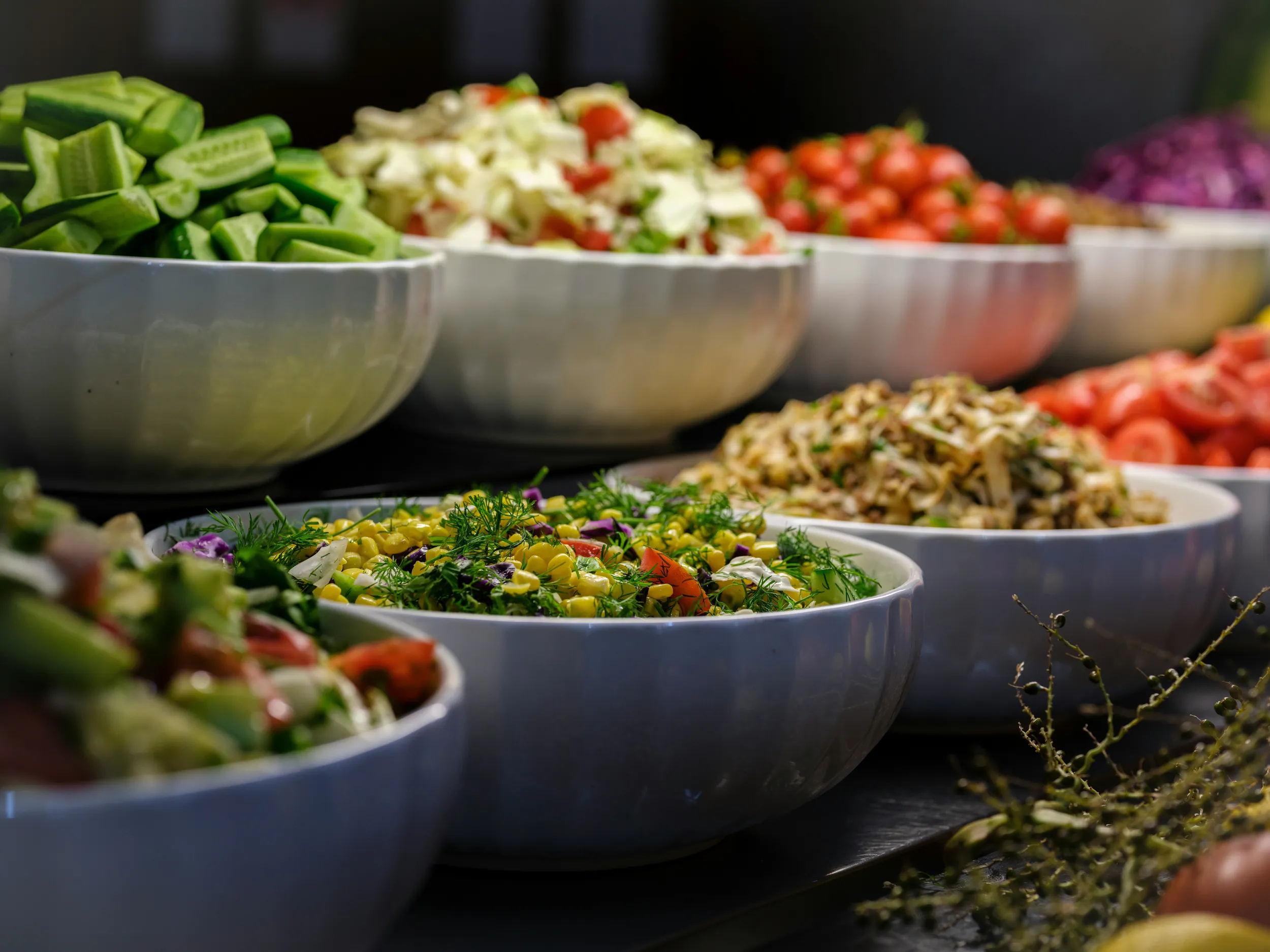
Header image: Engin Akyurt on Unsplash

She served as a Fulbright scholar on traditional medicine, a Clinical Fellow at Harvard Medical School, and a National Institutes of Health-funded research scientist in mind/body medicine.
- Eating for Mental Health on a Budget: Delicious, Nutritious Foods That Don’t Break the Bank - October 14, 2026
- Types of Magnesium: How to Choose the Right Form - September 28, 2026
- The Vagus Nerve in Trauma Treatment: Evidence, Exaggeration, and Clinical Judgment - September 16, 2026

Are You Ready to Advance Your Career?
If you want to advance your career in integrative medicine, explore my courses and certifications.