A Practical Guide for Clinicians and Their Clients
I am advising clients daily about the use of medical cannabis: what ratio of CBD to THC and terpenes might be best for their ailments, alongside the best forms of delivery. So, I thought I’d share my approach for you to consider in your work, too. I just finished recording my new course on psychedelics, and I have a significant module on Cannabis and the genomics of individual cannabis use. Some of this information comes from the course, with much more available there.
Cannabis products vary considerably in their concentrations of cannabidiol (CBD) and tetrahydrocannabinol (THC). Understanding the ratio between these two cannabinoids, along with the method of administration, can help clinicians make more informed choices when advising clients/patients about selecting products from medical cannabis dispensaries.
CBD and THC are the two most widely recognized cannabinoids in cannabis. CBD is non-intoxicating and is used for anxiety, inflammation, pain, and neurological conditions. THC is responsible for the principal intoxicating effects of cannabis and has therapeutic applications involving pain, muscle spasticity, nausea, appetite stimulation, and sleep. Think of THC as anti-inflammatory and CBD as analgesic and relaxing. Now THC can also help relax and aid sleep, but too much of it often tips people into anxiety or even paranoia.
Cannabis formulations also contain other cannabinoids and aromatic compounds called terpenes, which contribute to each product’s distinctive characteristics. You know terpenes by their delicious aromas.
Understanding CBD: THC Ratios
Medical cannabis dispensaries offer products containing different proportions of CBD and THC. These ratios help distinguish CBD-dominant, balanced, and THC-dominant formulations.
For example, a 10:1 CBD product contains ten parts CBD for every one part THC. A 1:1 product contains equal amounts of both cannabinoids, while a 1:5 formulation contains five times more THC than CBD. A 1:1 ratio is often the most broadly effective and widely used. That said, everyone will have different needs.
CBD-dominant formulations are commonly selected for anxiety, inflammation, and daytime pain management. Balanced CBD formulations are often used for chronic pain, muscle spasticity, and sleep disturbances. THC-dominant products are more commonly associated with nausea, appetite stimulation, pain, and sometimes sleep.
CBD: THC Ratios and Common Therapeutic Applications
| CBD: THC Ratio | Product Profile | Common Therapeutic Applications |
| 20:1 | Very high CBD | Anxiety, stress, inflammation, daytime pain |
| 10:1 | High CBD | Anxiety, chronic pain, muscle tension |
| 5:1 | CBD dominant | Fibromyalgia, pain, anxiety |
| 4:1 | CBD dominant | Chronic pain, inflammation, muscle discomfort |
| 2:1 | Moderately CBD dominant | Pain, muscle spasms, relaxation |
| 1:1 | Balanced CBD and THC | Neuropathic pain, spasticity, sleep disturbances |
| 1:2 | THC dominant | Pain, sleep, muscle spasticity |
| 1:4 | High THC | Pain, insomnia, nausea, appetite stimulation |
| 1:5 | High THC | Persistent pain, nausea, appetite stimulation |
| 1:10 AM | Very high THC | Nausea, appetite stimulation, sedation |
| 1:20 AM | Predominantly THC | THC-focused symptom management |
| 0:1 | THC only | Nausea, appetite stimulation, pain, sleep |
These applications describe common clinical uses and therapeutic goals. For example, research is strongest for certain standardized formulations, including balanced THC preparations used in multiple sclerosis-related spasticity and selected pain conditions.
However, the ratio is only one part of product selection. A 1:1 formulation containing 2.5 mg of CBD and 2.5 mg of THC differs substantially from one containing 25 mg of each.
The following all influence the therapeutic experience:
- Total dose
- Formulation
- Route of administration
- Individualized response
Cannabis Delivery Methods: Advantages and Limitations
The delivery method we use for cannabis influences the onset, intensity, duration, and consistency of its effects. Products available through dispensaries include tinctures, capsules, edibles, vaporized cannabis, topical preparations, transdermal patches, and oromucosal sprays. Clinically, I am not a fan of edibles. The medicine must pass through digestion, which takes time, and the dose effect varies widely.
Comparing Cannabis Delivery Methods
| Delivery Method | Approximate Onset | Typical Duration | Advantages | Limitations |
| Sublingual tinctures and oils | 15–45 minutes | 4–6 hours | Flexible dosing, relatively rapid onset, no inhalation | Variable absorption, some product swallowed, taste |
| Capsules and softgels | 30–120 minutes | 6–8 hours | Measured doses, discreet, convenient | Delayed onset, variable gastrointestinal absorption |
| Edibles, including gummies and beverages | 30 minutes–2 hours or longer | 6–8 hours or longer | Convenient, discreet, prolonged effects | Delayed onset, variable absorption, greater risk of unintended overconsumption |
| Vaporized cannabis flower | Seconds–minutes | 2–4 hours | Rapid onset, incremental dose adjustment | Respiratory exposure, variable dosing |
| Vaporized cannabis concentrates | Seconds–minutes | 2–4 hours | Rapid onset, concentrated cannabinoids | High THC potency, respiratory exposure |
| Smoked cannabis flower | Seconds–minutes | 2–4 hours | Rapid onset, accessible | Combustion products, airway irritation |
| Topical creams and balms | Variable | Variable | Local application, generally minimal systemic intoxication | Limited penetration, variable effectiveness |
| Transdermal patches | 30 minutes–several hours | Product dependent, potentially 8–24 hours | Sustained delivery, avoids inhalation | Limited availability, variable absorption |
| Oromucosal sprays | Approximately 15–60 minutes | 4–6 hours | Measured doses, standardized ratios in some products | Taste, oral irritation, availability |
Onset and duration vary with the specific formulation, cannabinoid dose, metabolism, and administration technique.
Sublingual Tinctures and Oils
Tinctures and oils are popular because you can flexibly adjust the amount of CBD and THC administered. You typically place products beneath the tongue and hold them briefly before swallowing.
Some cannabinoids may be absorbed through the oral mucosa, allowing a portion of the dose to bypass initial hepatic metabolism. However, much of the preparation may be swallowed, especially with oil-based products. As a result, absorption and onset can vary considerably.
Tinctures may be especially useful when individualized dosing and gradual adjustment are priorities.
Capsules, Softgels, and Edibles
Oral cannabis preparations provide convenient administration without respiratory exposure. Capsules and softgels offer measured doses, while edibles come in many forms, including gummies, chocolates, and beverages.
Because cannabinoids must pass through the gastrointestinal tract, effects generally develop more slowly than with inhalation.
When THC is swallowed, hepatic metabolism produces 11-hydroxy-THC, an active metabolite that contributes to the intensity and duration of its effects. This explains why oral THC can produce a different experience from inhaled THC, even when the labeled doses are similar.
The principal advantage of oral preparations is their longer duration. Their main limitation is delayed, variable absorption, which makes it hard to judge the full effect immediately after administration. Again, some people might benefit, but I have seen too much inaccuracy in these delivery methods.
Vaporized and Smoked Cannabis
Inhalation delivers cannabinoids rapidly through the lungs into the bloodstream. Effects typically begin within minutes, making inhalation useful when you want rapid symptom relief.
Vaporization heats cannabis flower or concentrates to release cannabinoids and volatile compounds but without intentionally burning the plant material. This avoids many combustion products associated with smoking, although vaporized products still produce respiratory exposures and are not risk-free.
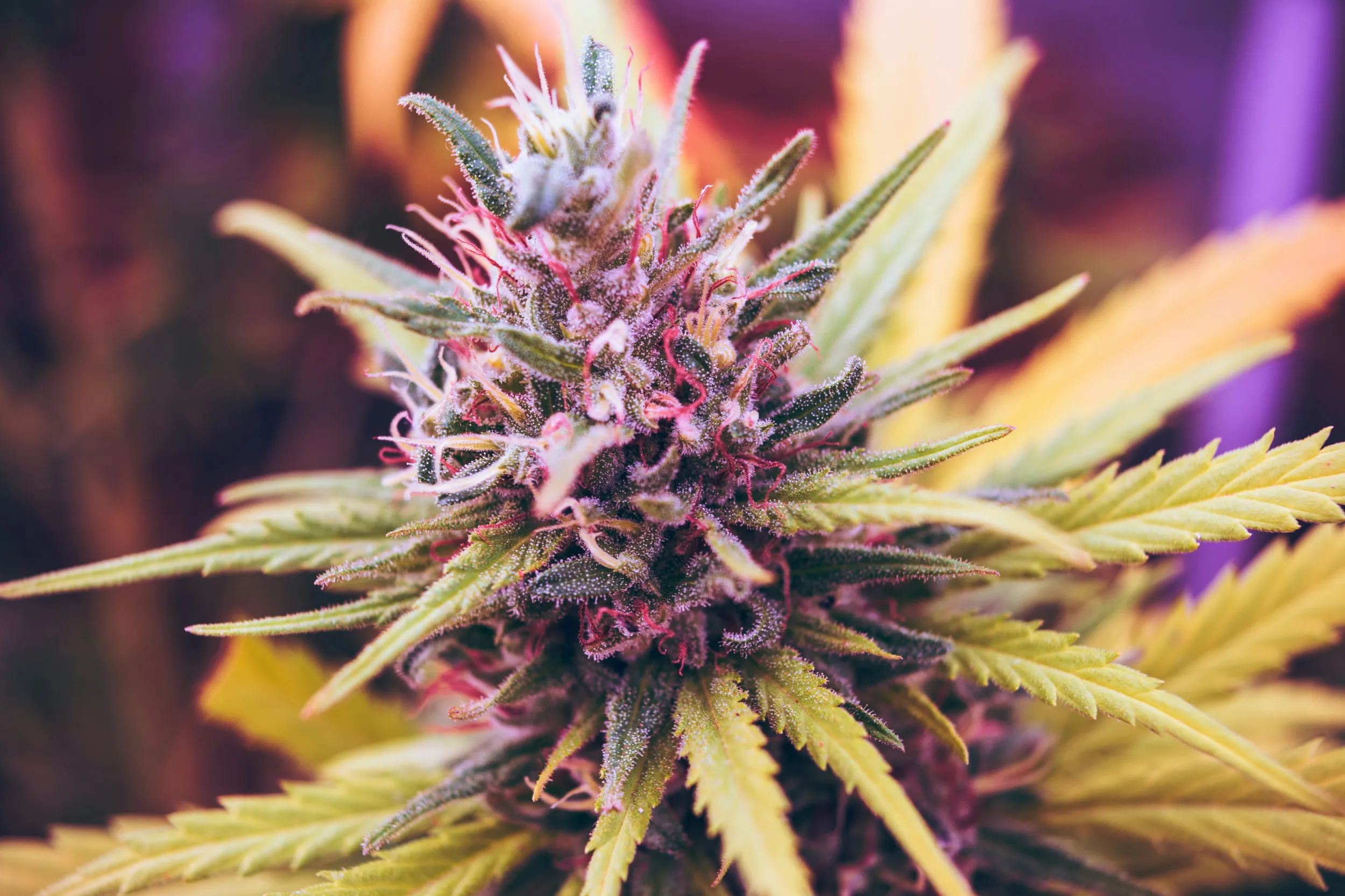
Cannabis flower contains cannabinoids and terpenes that add to its aroma and chemical profile. Vaporization temperature and device design influence the compounds released.
Concentrates may contain substantially higher THC concentrations than flower, making the amount inhaled especially important.
Smoking also produces rapid effects but introduces combustion-related compounds and airway irritants. Vaporization can be an option for very occasional use, so irritation doesn’t build up.
Topical and Transdermal Cannabis
Topical cannabis preparations include creams, lotions, balms, and salves applied directly to the skin. These products are commonly marketed for localized discomfort, muscle soreness, and joint symptoms. Conventional topical preparations generally produce little systemic cannabinoid exposure, although penetration depends on the formulation. I recommend these for localized pain associated with osteoarthritis, PMS, endometriosis, post-surgery pain, and interstitial cystitis, among other reasons.
Transdermal products differ from ordinary topicals. They are specifically designed to deliver cannabinoids across the skin and into systemic circulation.
Patches may provide sustained release over several hours, but the pharmacokinetics and consistency of cannabinoid delivery depend heavily on the product. Many green pharmacies have well-educated advisors on staff.
Oromucosal Sprays and Other Formulations
Oromucosal sprays deliver cannabinoids to the mouth lining, often in measured doses.
Some standardized formulations contain approximately equal amounts of THC and CBD and have been studied extensively for multiple sclerosis-related spasticity.
Other routes, including rectal and vaginal suppositories, are offered in some cannabis markets. However, absorption and clinical effects are less well characterized, and products are not necessarily interchangeable with oral or topical preparations. I personally don’t see a need for this route as a rule.
The Role of Terpenes and Cannabis Aroma
| Terpene | Characteristic Aroma | Potential Therapeutic Properties | Other Botanical Sources |
| Myrcene | Earthy, musky, herbal | Relaxation, analgesia, anti-inflammatory activity | Hops, mango, lemongrass, bay laurel |
| Limonene | Citrus, lemon, orange | Mood modulation, stress, anxiety | Lemon, orange, grapefruit, bergamot, rosemary |
| Linalool | Lavender, floral | Relaxation, sedation, anxiolytic activity | Lavender, coriander, basil, rosewood |
| β-Caryophyllene | Black pepper, cloves, spice | CB2 receptor activity, inflammation, pain | Black pepper, cloves, cinnamon, oregano, copaiba |
| α-Pinene | Pine, rosemary | Anti-inflammatory activity, cognitive mechanisms | Pine, rosemary, sage, juniper, eucalyptus |
| Humulene | Hops, woody, earthy | Anti-inflammatory activity | Hops, sage, ginseng, coriander |
| Terpinolene | Floral, herbal, citrus | Sedative and antioxidant activity | Tea tree, nutmeg, cumin, lilac |
| Ocimene | Sweet, floral, fruity | Anti-inflammatory and antimicrobial activity | Basil, mint, lavender, orchids |
| Nerolidol | Woody, floral, jasmine | Sedative and anti-inflammatory activity | Jasmine, neroli, tea tree, ginger |
| Bisabolol | Chamomile, floral | Skin-soothing and anti-inflammatory activity | German chamomile, candeia, some sage species |
Note: The therapeutic properties listed are potential activities identified mainly through laboratory and preclinical research. Clinical evidence in humans varies considerably by terpene, dose, and route of administration.
Selecting Cannabis Formulations in Clinical Practice
A practical approach to evaluating dispensary products involves examining several characteristics together:
- CBD ratio: Determines the relative proportion of the two major cannabinoids.
- Milligrams per dose: Establishes the actual quantity of each cannabinoid.
- Delivery method: Affects onset, duration, metabolism, and how easily you can adjust the dose.
- Minor cannabinoids: CBG, CBN, CBC, THCV, and other compounds may contribute additional pharmacological properties.
- Terpene profile: Describes the dominant aromatic compounds and potentially relevant biological characteristics.
- Product consistency: Laboratory testing and clearly labeled cannabinoid concentrations help clinicians compare formulations.
Despite popular discussions, commercial designations such as indica, sativa, and hybrid do not reliably describe cannabinoid concentrations or predict clinical effects. Reviewing the actual chemical composition provides a more informative basis for product selection.
Conclusion
Cannabis can be a useful and diverse plant medicine. It’s not for everyone, but those who will benefit need to know that its efficacy depends on understanding the type of cannabis, the dose and ratios, and the delivery method. As clinicians, we can help them navigate this path.
Understanding cannabis requires looking beyond THC potency or a product’s commercial name. The relationship between CBD and THC, the actual cannabinoid dose, the delivery method, and the terpene profile all add to a formulation’s characteristics. Start at ¼ of the suggested dose to gauge your individual response, then increase slowly as you see fit.
References
Abrams, D. I. (2018). The therapeutic effects of cannabis and cannabinoids: An update from the National Academies of Sciences, Engineering and Medicine report. European Journal of Internal Medicine, 49, 7–11. https://doi.org/10.1016/j.ejim.2018.01.003
Baron, E. P. (2018). Medicinal properties of cannabinoids, terpenes, and flavonoids in cannabis, and benefits in migraine, headache, and pain: An update on current evidence and cannabis science. Headache, 58(7), 1139–1186. https://doi.org/10.1111/head.13345
Bhaskar, A., Bell, A., Boivin, M., Briques, W., Brown, M., Clarke, H., Cyr, C., Eisenberg, E., de Oliveira Silva, R. F., Frohlich, E., Georgius, P., Hogg, M., Horsted, T. I., MacCallum, C. A., McGregor, I. S., Moulin, D., O’Connell, C., Sealey, R., & Sihota, A. (2021). Consensus recommendations on dosing and administration of medical cannabis to treat chronic pain: Results of a modified Delphi process. Journal of Cannabis Research, 3, Article 22. https://doi.org/10.1186/s42238-021-00073-1
Huestis, M. A. (2007). Human cannabinoid pharmacokinetics. Chemistry & Biodiversity, 4(8), 1770–1804. https://doi.org/10.1002/cbdv.200790152
MacCallum, C. A., & Russo, E. B. (2018). Practical considerations in medical cannabis administration and dosing. European Journal of Internal Medicine, 49, 12–19. https://doi.org/10.1016/j.ejim.2018.01.004
Russo, E. B. (2011). Taming THC: Potential cannabis synergy and phytocannabinoid-terpenoid entourage effects. British Journal of Pharmacology, 163(7), 1344–1364. https://doi.org/10.1111/j.1476-5381.2011.01238.x
Spindle, T. R., Cone, E. J., Schlienz, N. J., Mitchell, J. M., Bigelow, G. E., Flegel, R., Hayes, E., & Vandrey, R. (2018). Acute effects of smoked and vaporized cannabis in healthy adults who infrequently use cannabis: A crossover trial. JAMA Network Open, 1(7), e184841. https://doi.org/10.1001/jamanetworkopen.2018.4841
Header image: Esteban López on Unsplash

She served as a Fulbright scholar on traditional medicine, a Clinical Fellow at Harvard Medical School, and a National Institutes of Health-funded research scientist in mind/body medicine.
- Understanding Cannabis Ratios and Delivery Methods - October 28, 2026
- The Humble Cabbage: Good Nutrition for Less Than $3 a Serving - October 21, 2026
- Eating for Mental Health on a Budget: Delicious, Nutritious Foods That Don’t Break the Bank - October 14, 2026

Are You Ready to Advance Your Career?
If you want to advance your career in integrative medicine, explore my courses and certifications.